Molly McCanta
Professor
DEGREES
BS, University of Oregon, Eugene, Eugene, United States
MS, Brown University, Providence, Providence, United States
PhD, Brown University, Providence, United States
Professor
BS, University of Oregon, Eugene, Eugene, United States
MS, Brown University, Providence, Providence, United States
PhD, Brown University, Providence, United States
Anna Szynkiewicz’s interests involve studies of global geochemical and biogeochemical cycles related to the lithosphere and hydrosphere using stable isotope tracers (S-O-H-C-Zn) and chemical methods. This interdisciplinary research integrates areas of low-temperature geochemistry and water-rock interaction, hydrogeology, and environmental studies. Szynkiewicz is trying to integrate these fields in order to better quantify the chemical weathering of crustal rocks as a result of climate and to enhance knowledge and understanding of modern and past hydrological cycles on Earth.
Szynkiewicz also attempts to elucidate human impacts such as land cultivation and hydraulic fracturing on natural ecosystems. Consequently, her recent environmental studies have been focused on characterizing sources of salinity in agricultural districts of Chihuahuan and Sonoran Deserts as well as investigating sources of methane in groundwater of Central Appalachian Basin impacted by hydraulic fracturing and surface mining. Major research findings of these studies have been published recently in Chemical Geology and Applied Geochemistry.Szynkiewicz’s earliest research focused on the characterization of anthropogenic impacts on freshwater environments in Eastern Europe related to acid rain in mountain and lake ecosystems. She used multiple stable isotope tracers (S-O-H-C) to calculate the sulfate inputs from atmospheric acid wet deposition and performed several incubation experiments to evaluate the buffering capacity of lake sediments in response to anthropogenic acidification of freshwater. Major research findings of these studies have been published in Chemical Geology and Applied Geochemistry.
Linda Kah’s research focuses on integrating sedimentology, stratigraphy, geochemistry, and paleobiology in understanding the evolution of the Earth’s biosphere. Ongoing research includes the following projects:
As a co-investigator on the Mars Science Laboratory mission, I am involved in both orbital mapping of Gale Crater, as well as in strategic planning, daily spacecraft operations, and the interpretation of geologic data. I work primarily with the Mast and MAHLI cameras, which were built by Malin Space Science Systems. After the Curiosity rover landed on 6 August 2012, we spent several months testing and calibrating analytical equipment. We then moved to a region of layered strata, called Yellowknife Bay, where we analyzed the depositional and diagenetic environments of ancient lacustrine deposits. At present, we are heading toward Mount Sharp, where we will begin to investigate the habitability potential of depositional environments recorded by a thick package of layered strata. I give many outreach presentations on the Curiosity mission, including a keynote at the 2012 Council for the Advancement of Science Writing (CASW) annual convention.

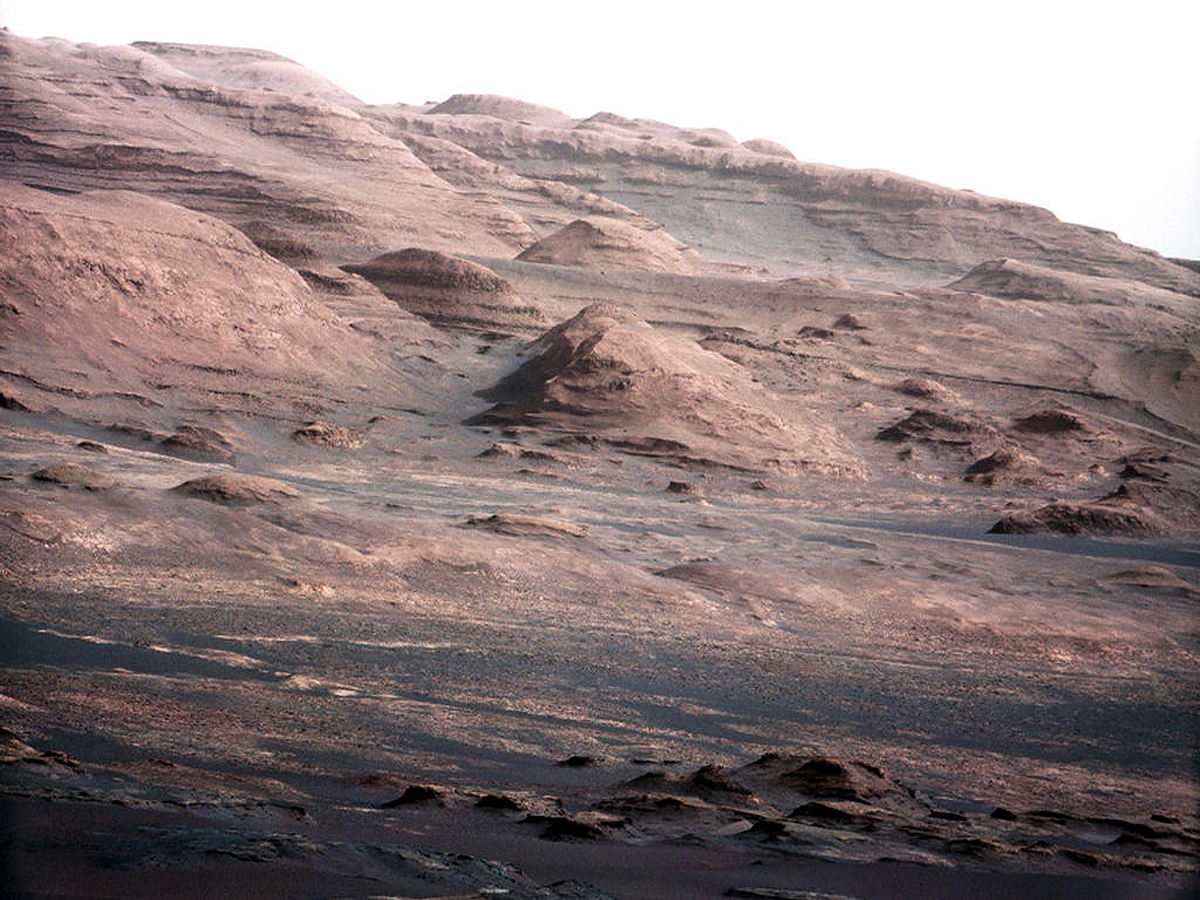
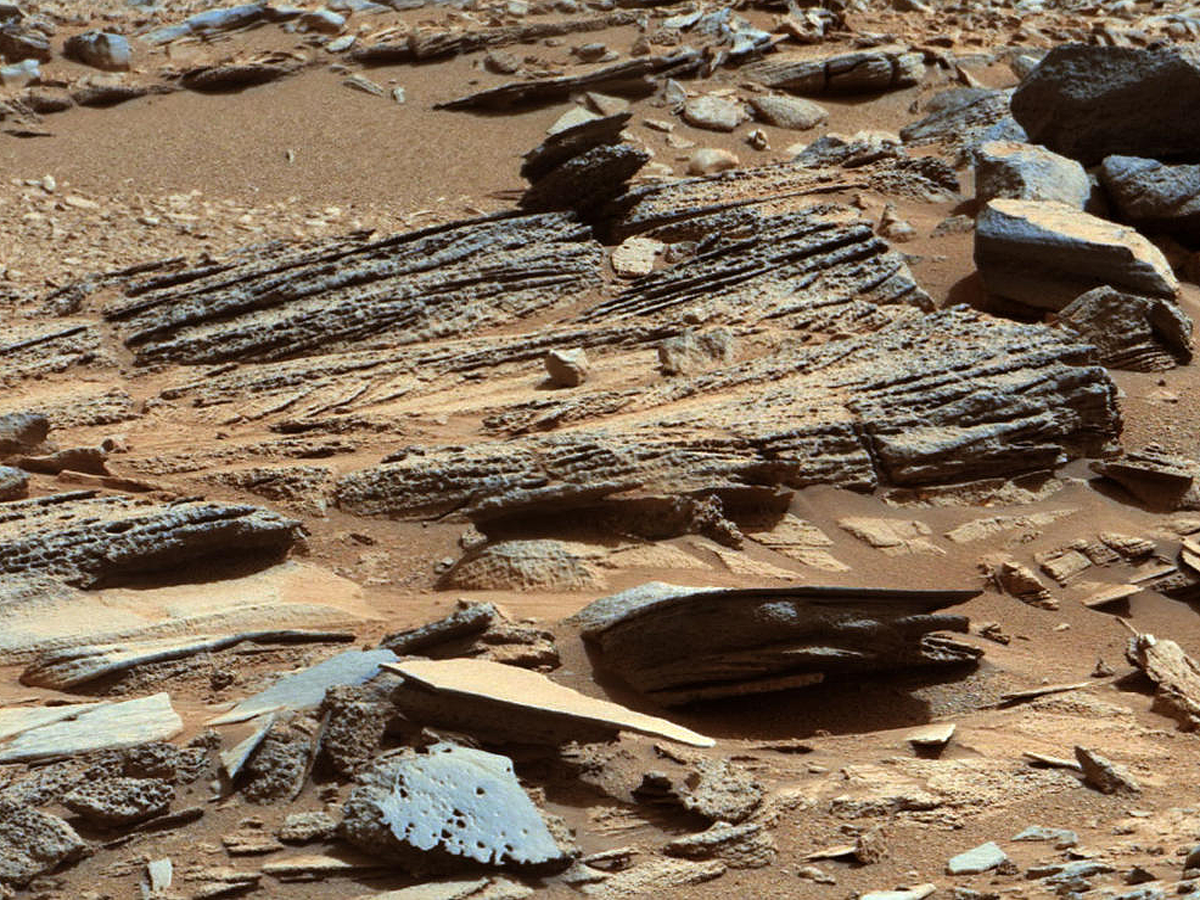
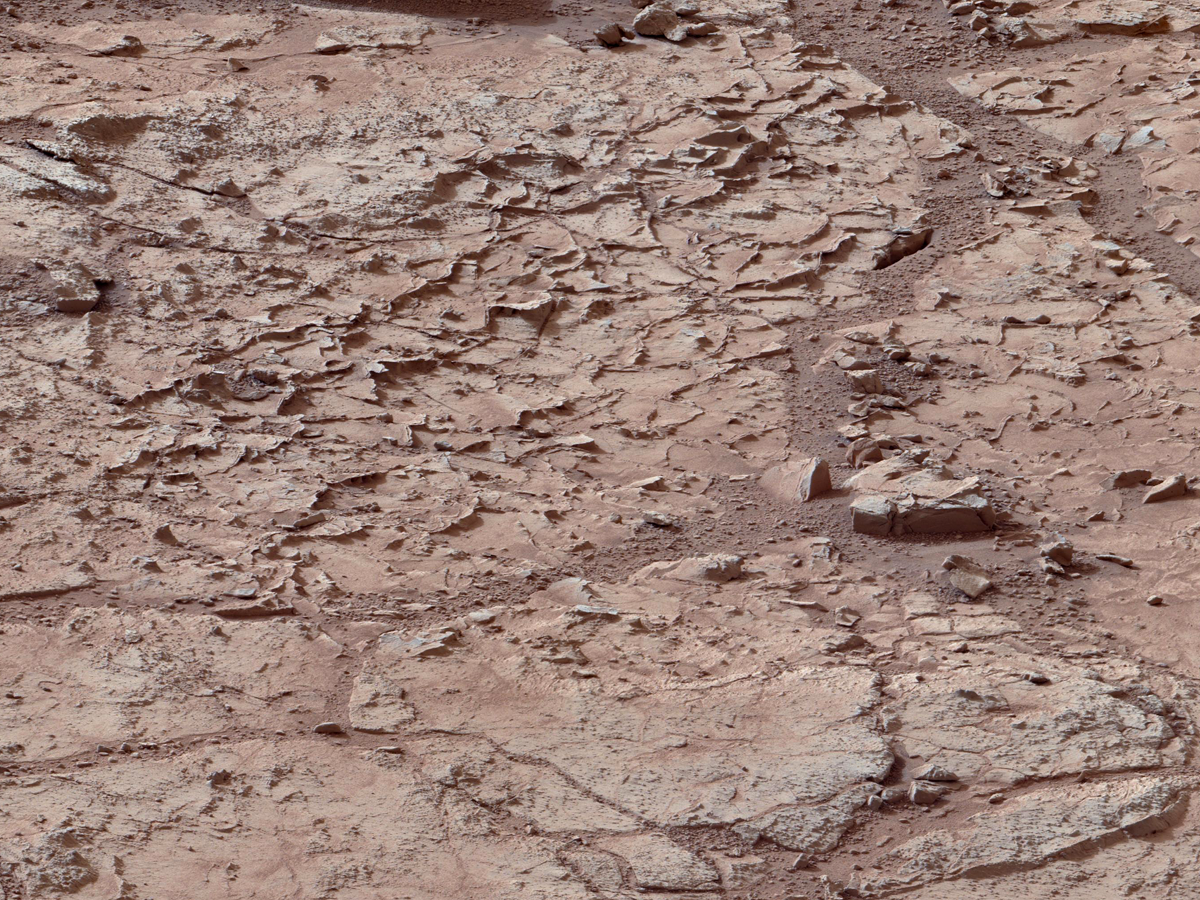
Above, L-R: Self-portrait of the Curiosity rover at the Rocknest sample site, taken by MAHLI; Layered strata of Mount Sharp, which rises 5 km above the base of Gale Crater; Cross-bedded, coarse-grained fluvial units of the Shaler outcrop; Mineralized crack fills at the John Klein locality indicating subsurface fluid flow.
Molar-tooth structure (MT) is an enigmatic Precambrian carbonate fabric characterized by variously shaped voids filled with a characteristically uniform, equant microspar. A combination of petrographic analysis (via transmitted light, SEM, and cathodoluminescence microscopy), mineralogical analysis (via raman spectroscopy), 3-dimensional structural analysis, geochemical analysis, and laboratory experiments has helped us better understand both the formation of this unusual microfabric, and its implications for the chemical evolution of the Proterozoic carbonate system. Other research focused on a related fabric, termed herringbone carbonate (HB), which consists of unusual carbonate cements whose c-axis shifts direction along the length of the crystal.
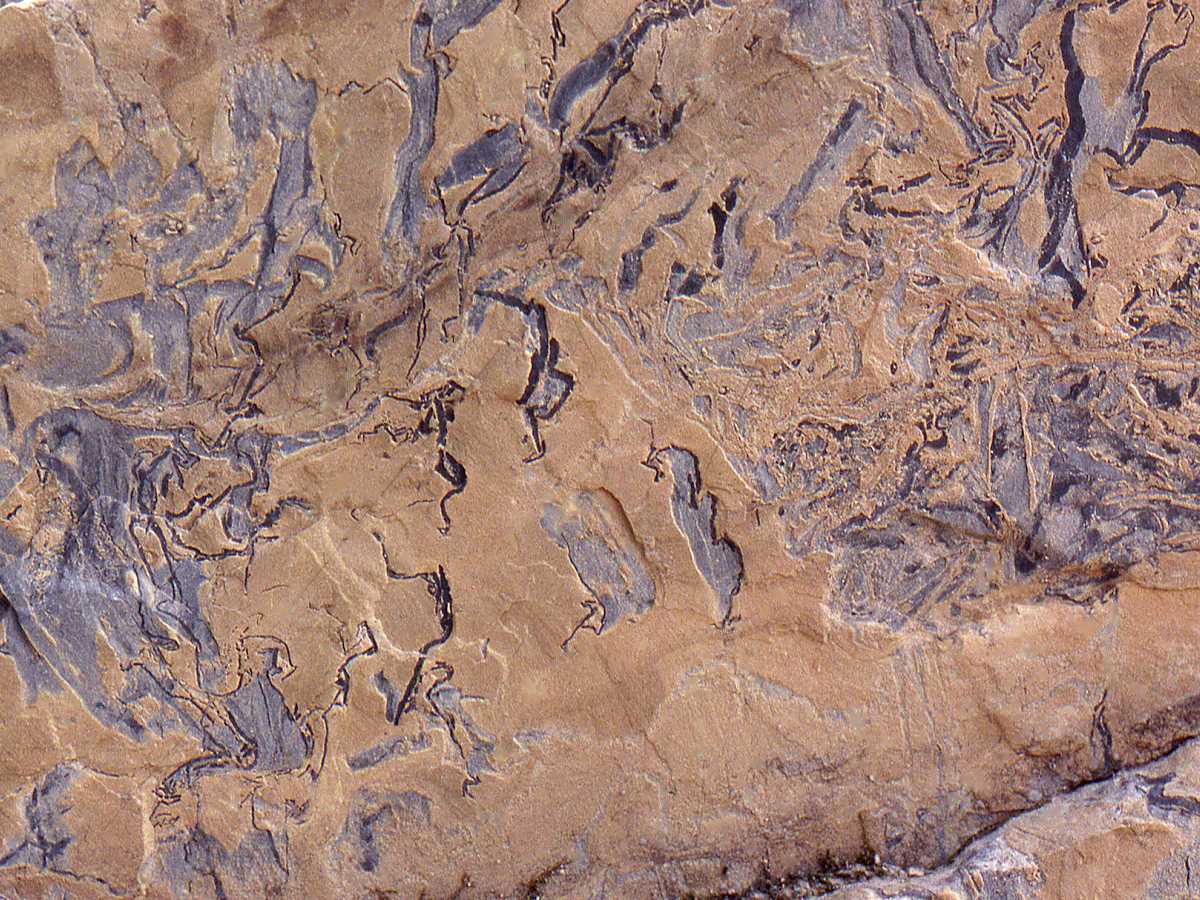
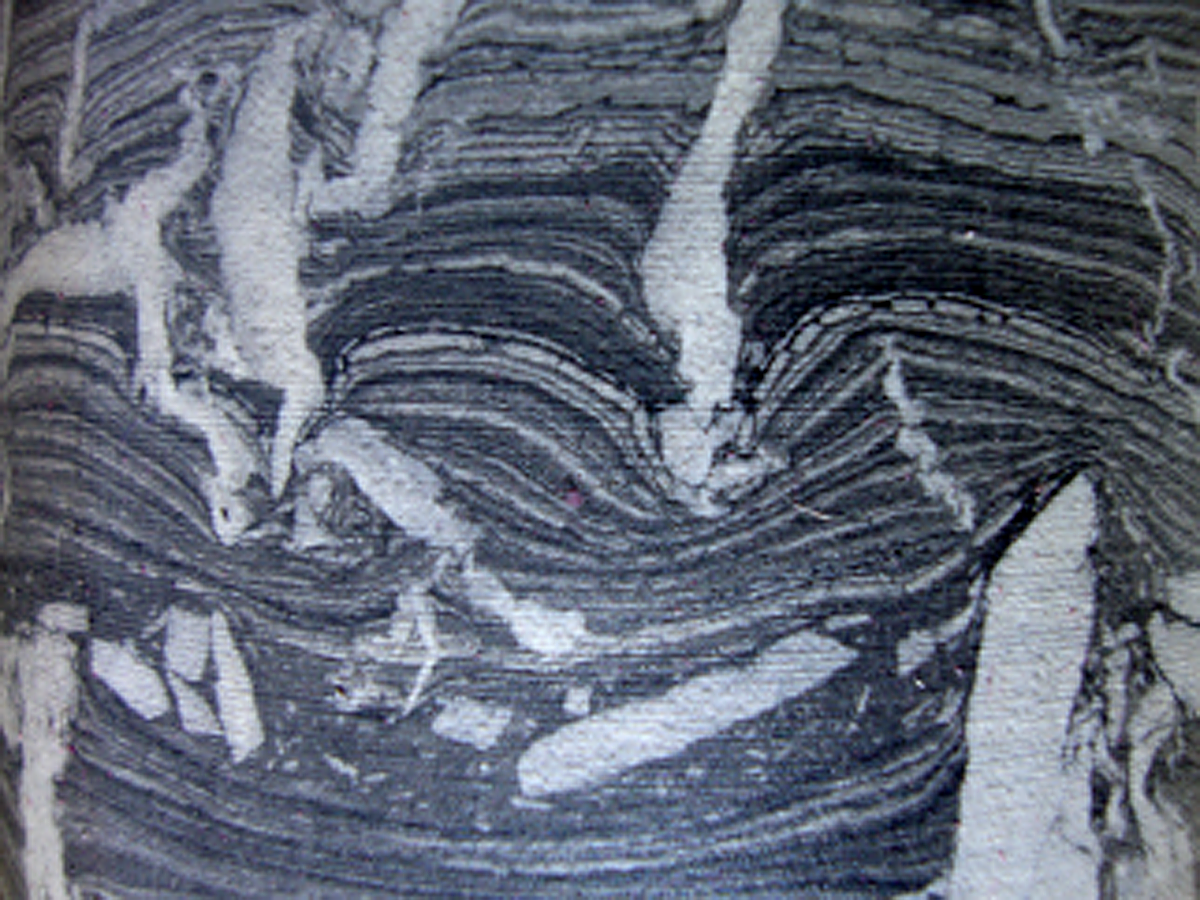
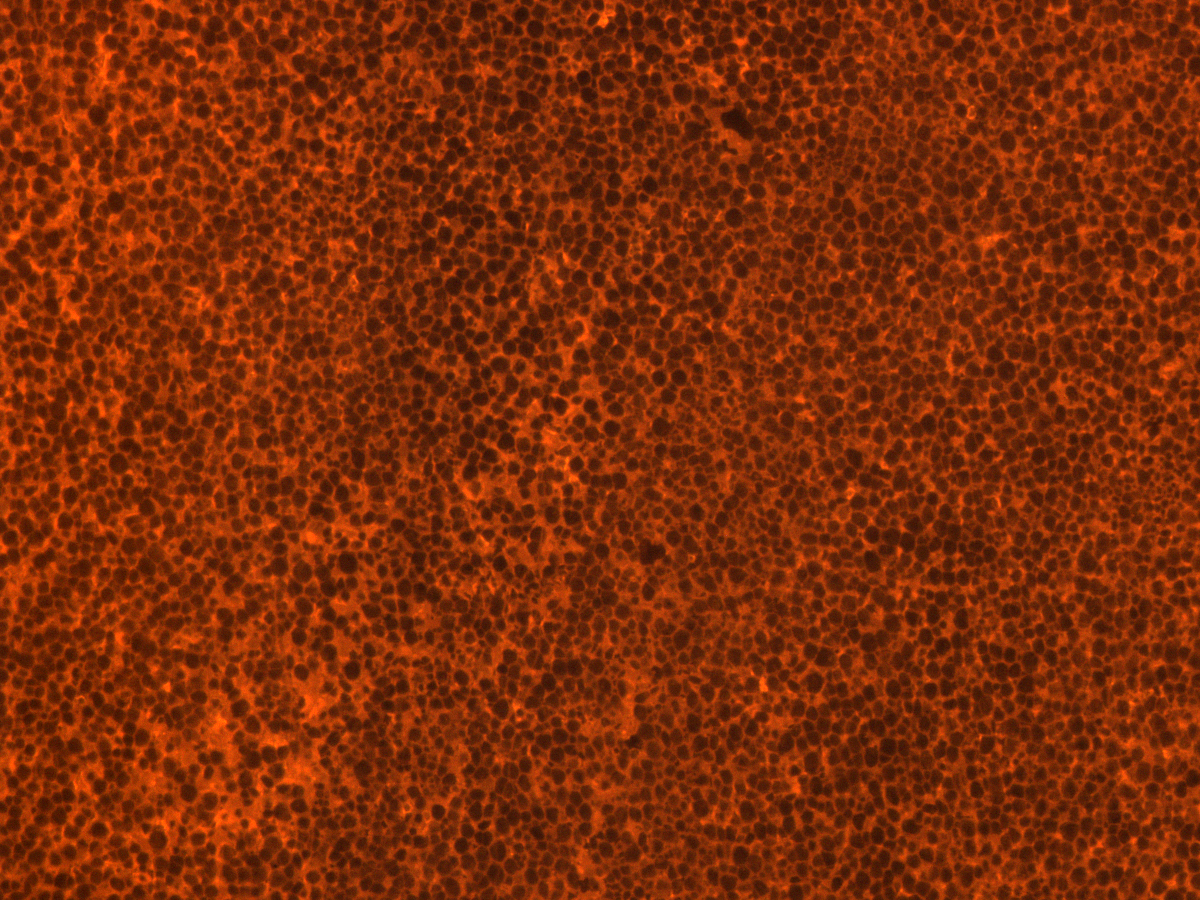
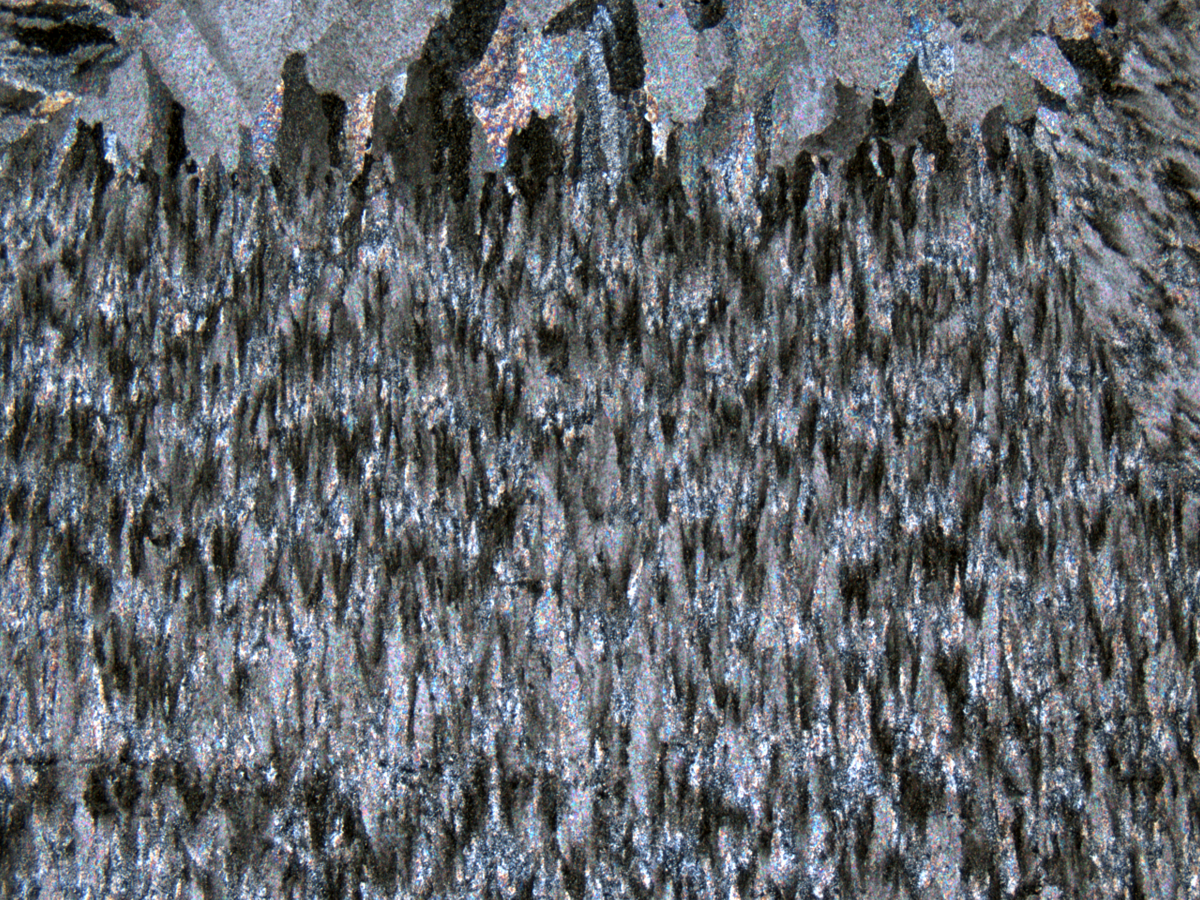
Above, L-R: Molar-tooth structure from the Mesoproterozoic Belt Supergroup, Montana; Molar-tooth structure from the Mesoproterozoic Atar Formation, Mauritania; Cathodoluminescence image of MT microspar, showing discrete non-luminescent crystals with isopachous, luminescent rims; Petrographic image (in cross-polarized light) of herringbone carbonate.
Whereas stromatolite microfabrics reflect a combination of microbial community growth, decomposition and lithification, stromatolite morphology appears to reflect primarily physical depositional factors, such as water depth, wave energy, and sediment influx. As a result, stromatolitic laminae, which record both microscale and macroscale growth processes, are arguably the most fundamental aspect of stromatolite morphology. Each lamina represents the active growth surface of the mat at the time of deposition and the geometry of successive laminae produces a record of microbial mat growth over time. Detailed analysis of stromatolitic laminae can therefore help decipher the growth of enigmatic stromatolitic forms, such as conophyton and jacutophyton.
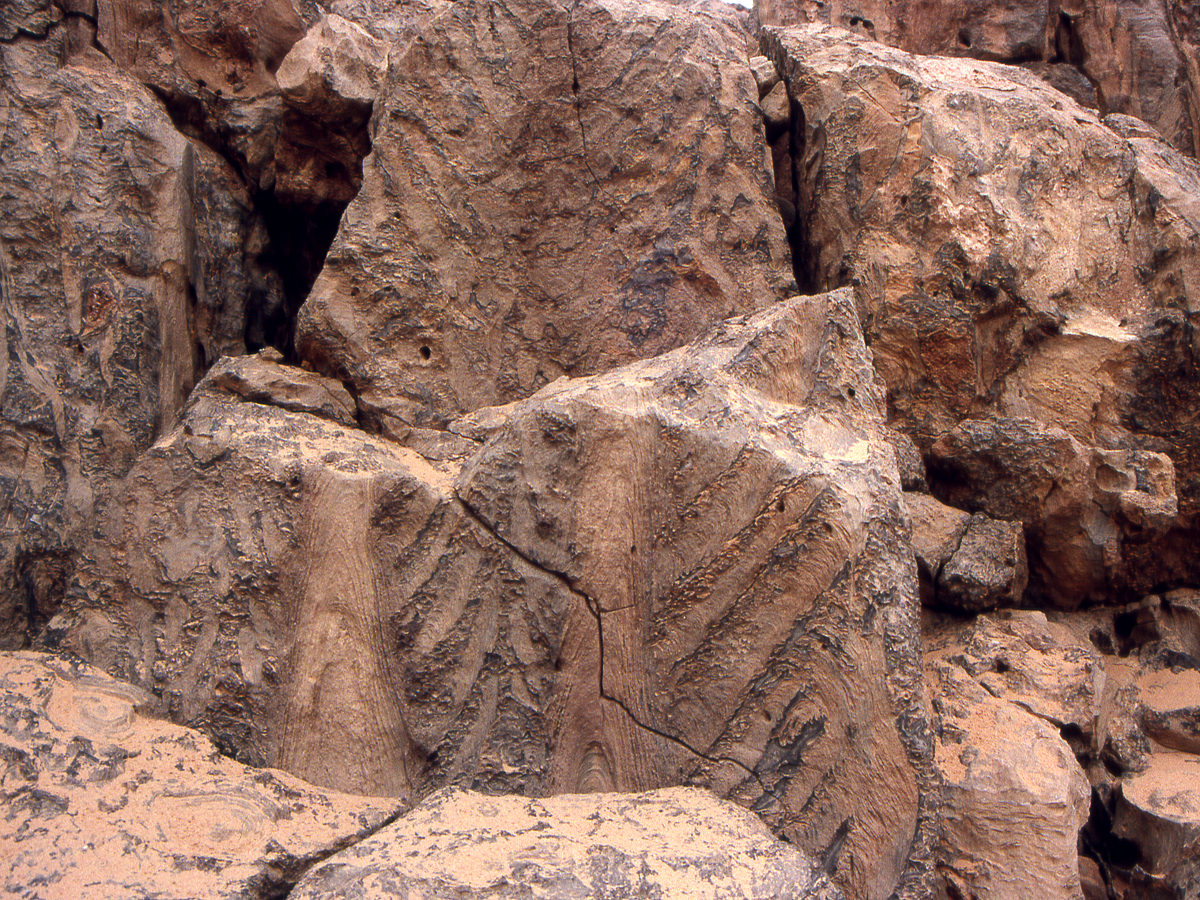
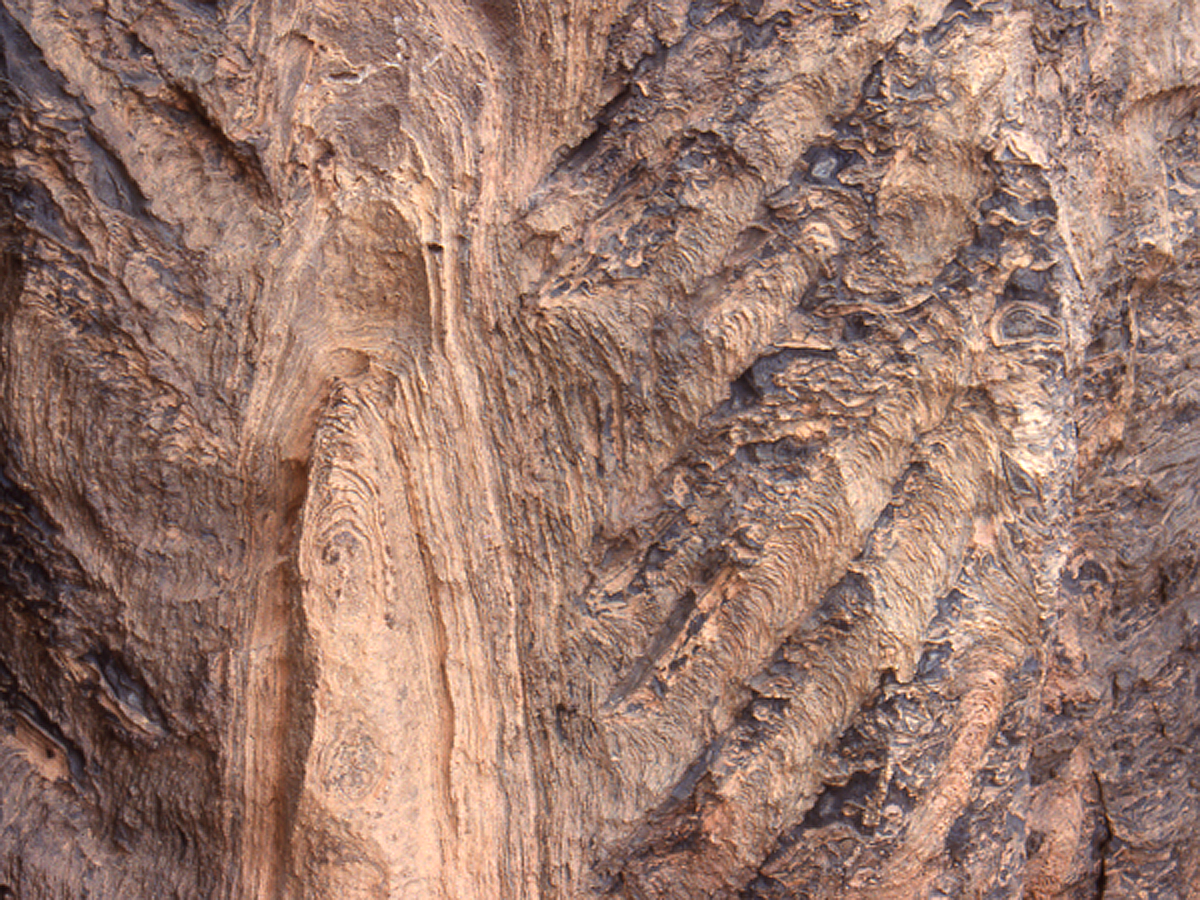
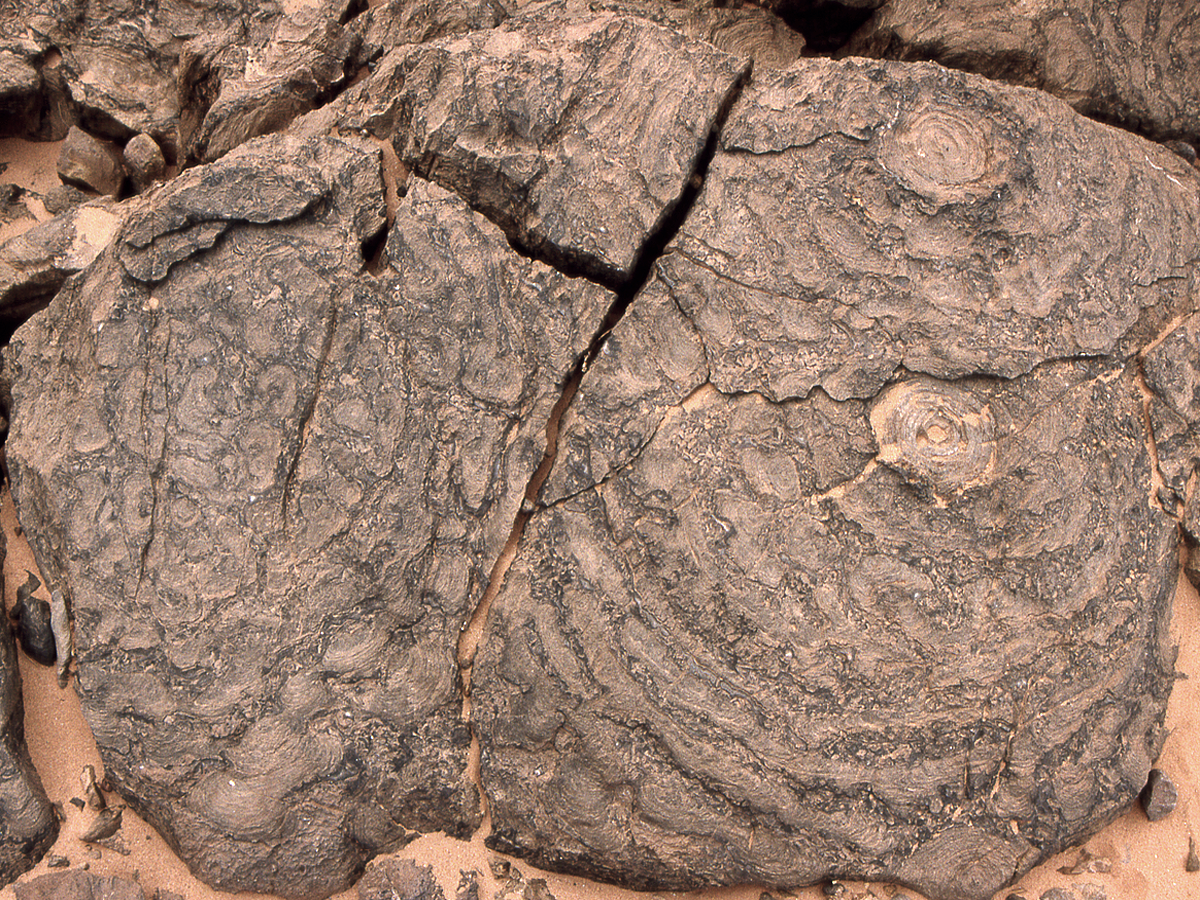
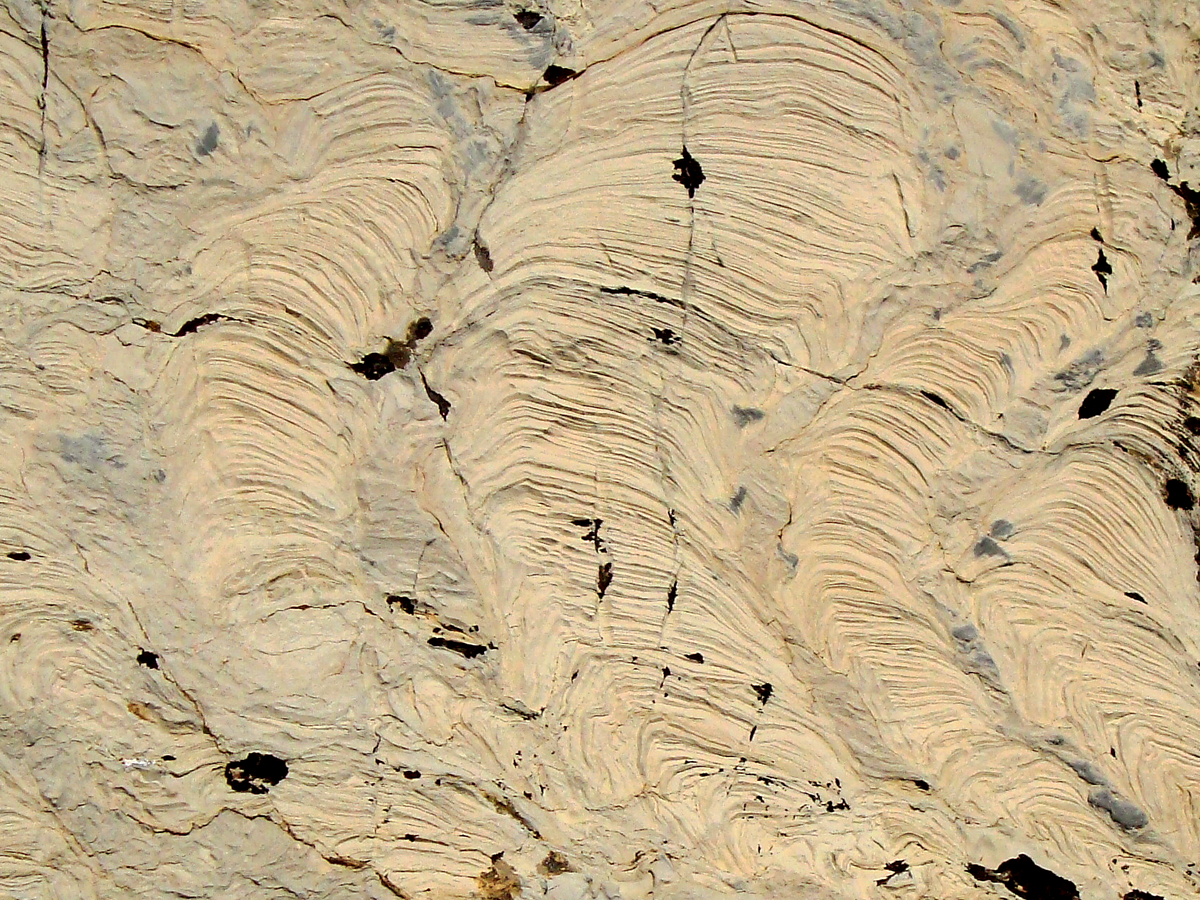
Above, L-R: Jacutophyton from the Atar Group, Mauritania; Detail of a Jacutophyton margin from the Atar Group, Mauritania; Top view of Jacutophyton from Mauritania, showing petaloid projections; Enigmatic “sinusoidal” stromatolites from the Belt Supergroup, Montana.
Microbialites comprise the mineralized record of early life on Earth and preserve a spectrum of fabrics that reflect complex physical, chemical, and biological interactions. In ongoing research, we are investigating mineralized microbial structures in Laguna Negra, a high-altitude (>3500 m) Andean lake in Catamarca Province, Argentina. Extreme environmental conditions restrict multicellular life so that mineralization reflects a combination of local hydrologic conditions, lake geochemistry, and microbial activity. The resulting carbonate microtextures are strikingly similar to those observed in Proterozoic stromatolites, and thus provide critical insight into microbial activity and mineralization in ancient environments.
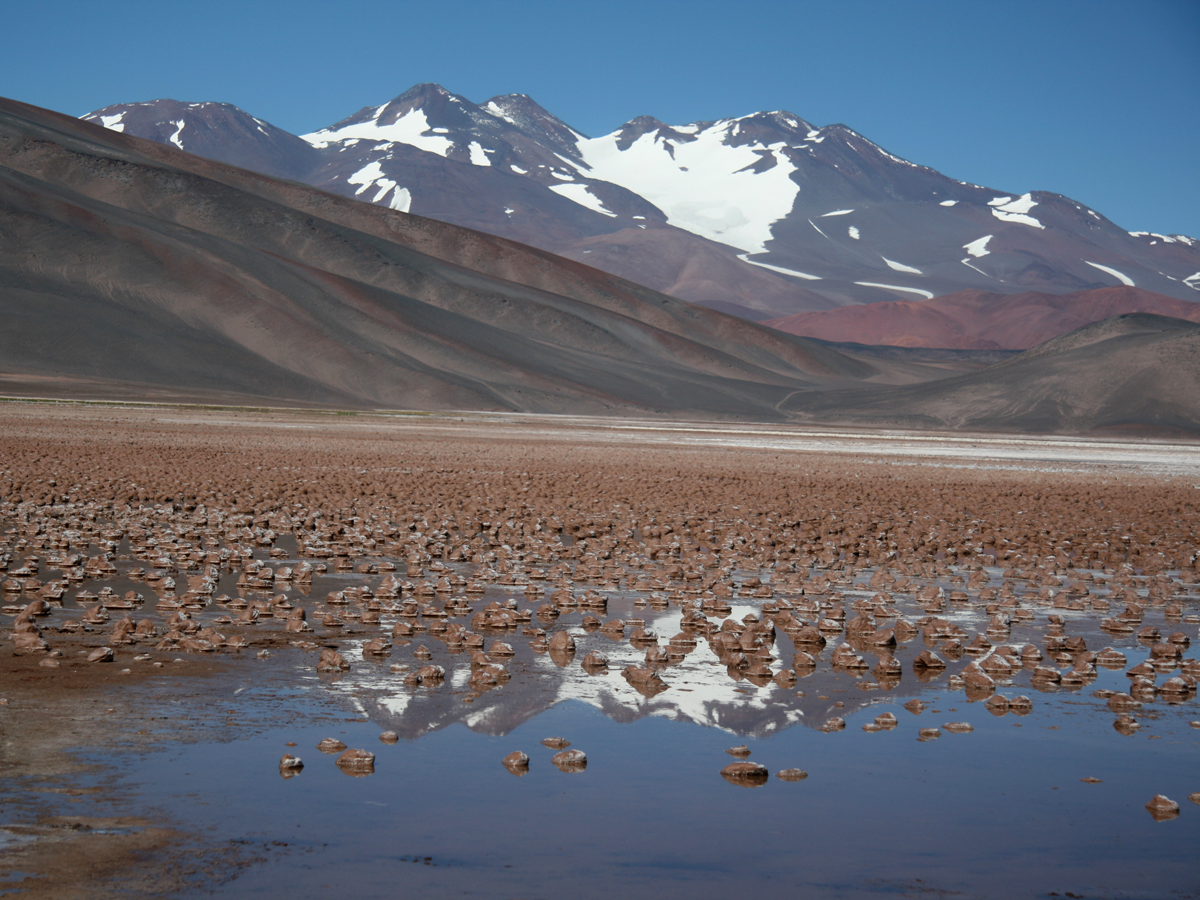
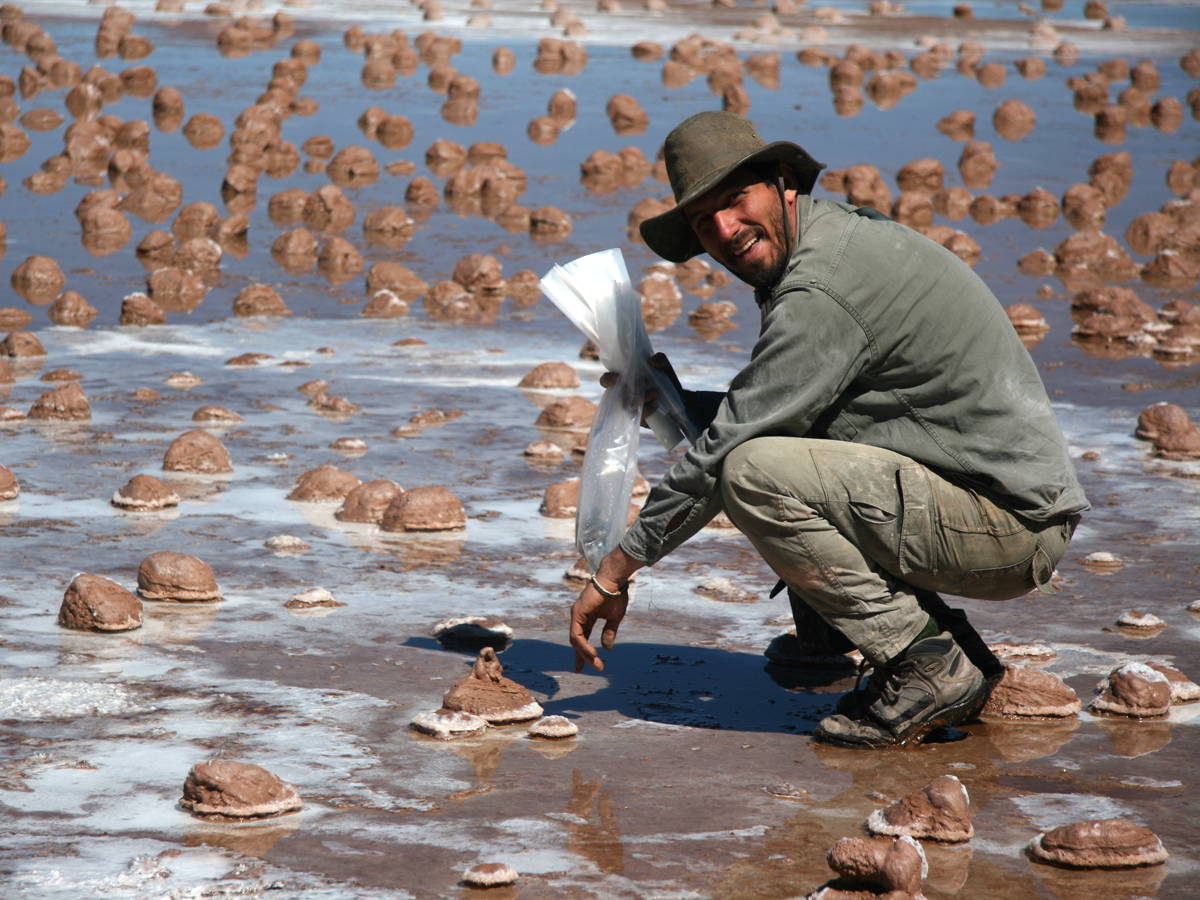
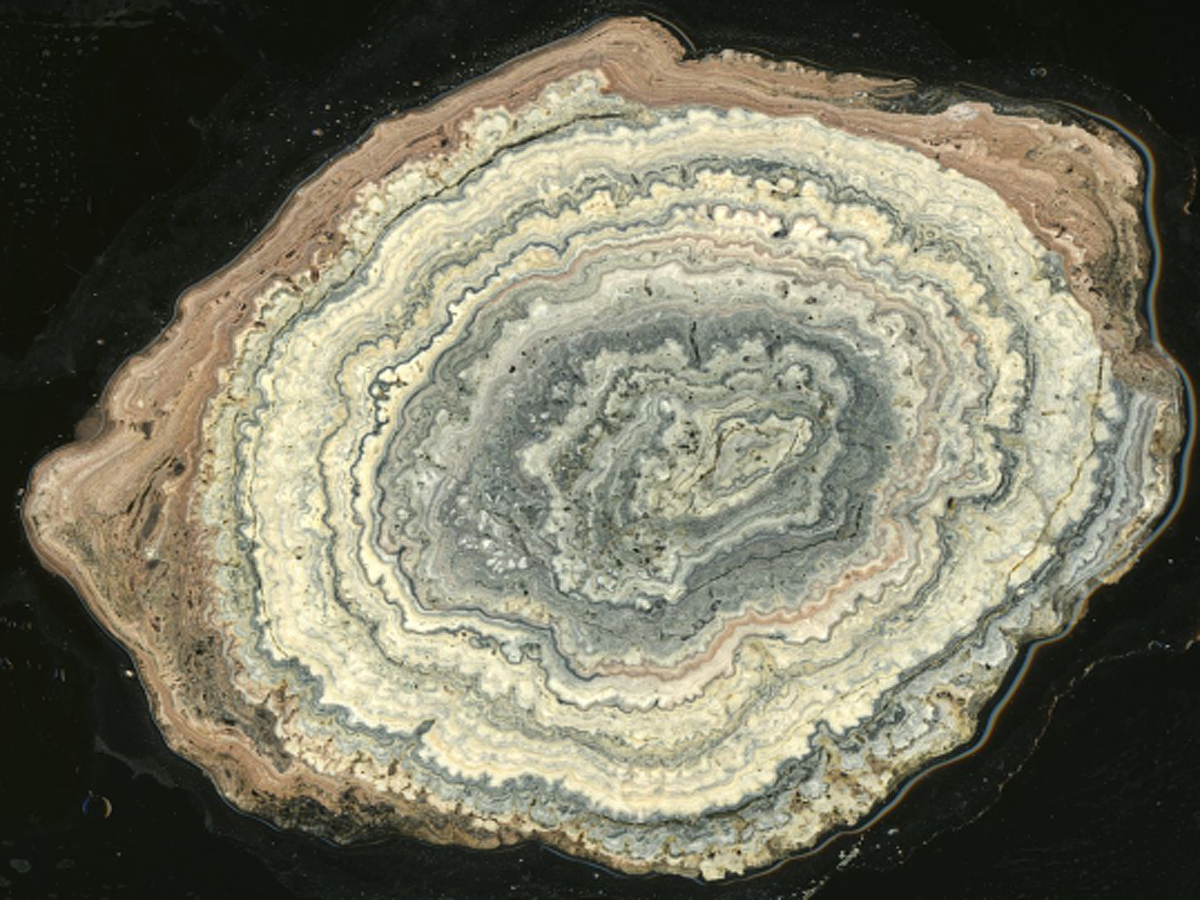
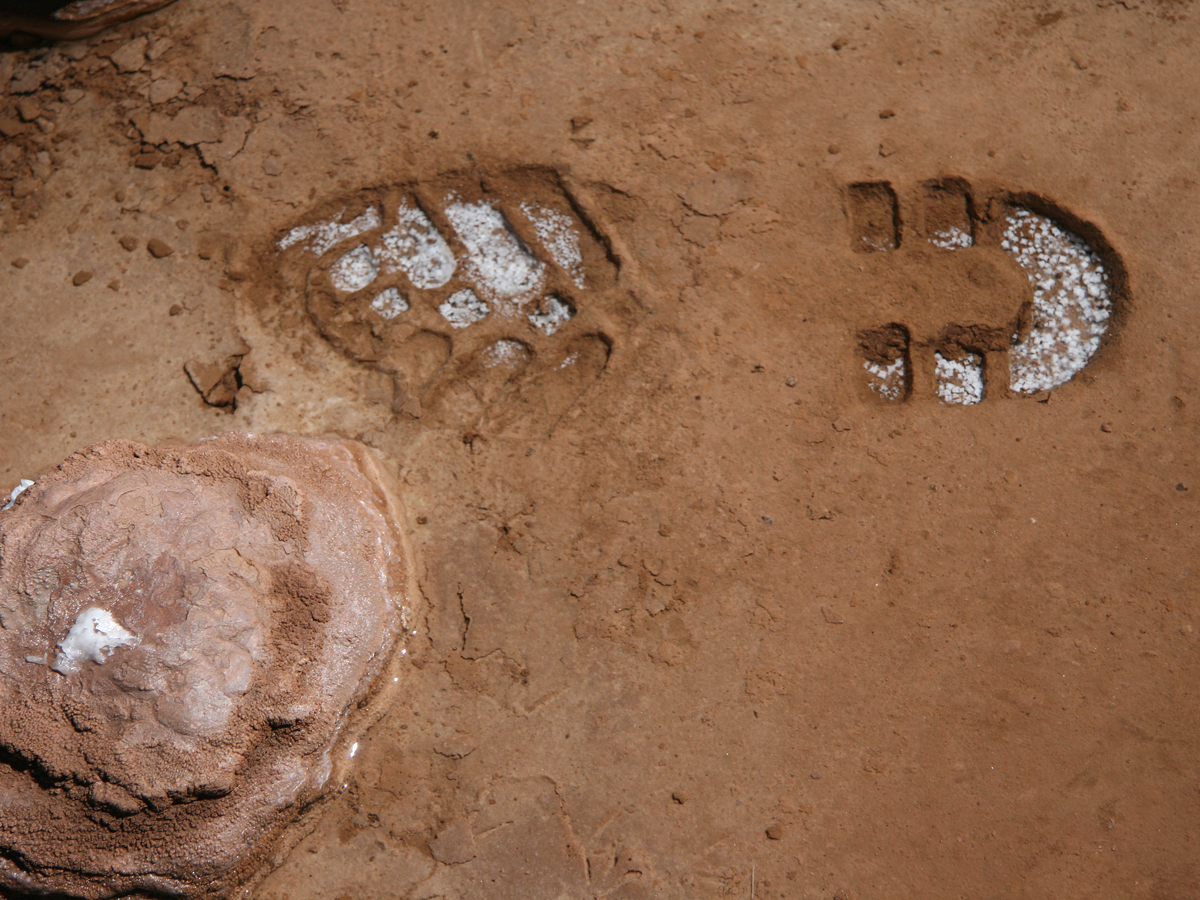
Above, L-R: Mineralized microbialites within Laguna Negra, Catamarca Province, Argentina; Colleague Fernando Gomez examining mineralized oncolites of Laguna Negra; Cross-section of Laguna Negra oncolite, showing complex layering; Halite crystallizing within footprint, Laguna Negra, Argentina.
Precambrian microbial mats can be exquisitely preserved in early diagenetic chert, yet many of our most fundamental geobiological questions regarding the diversity of organisms and metabolic processes in these ancient environments remain poorly constrained. This dichotomy in understanding stems from both the relatively simple morphologies represented by many microbial populations and the inability of traditional optical microscopy to provide information on the chemistry of preserved organic matter, which together severely limits taxonomic determination and resulting physiological inferences. Microbial mats within early diagenetic chert record of distinct benthic communities that are preserved across a full range of taponomic states, permitting detailed analysis of mat growth, decomposition, and preservation.
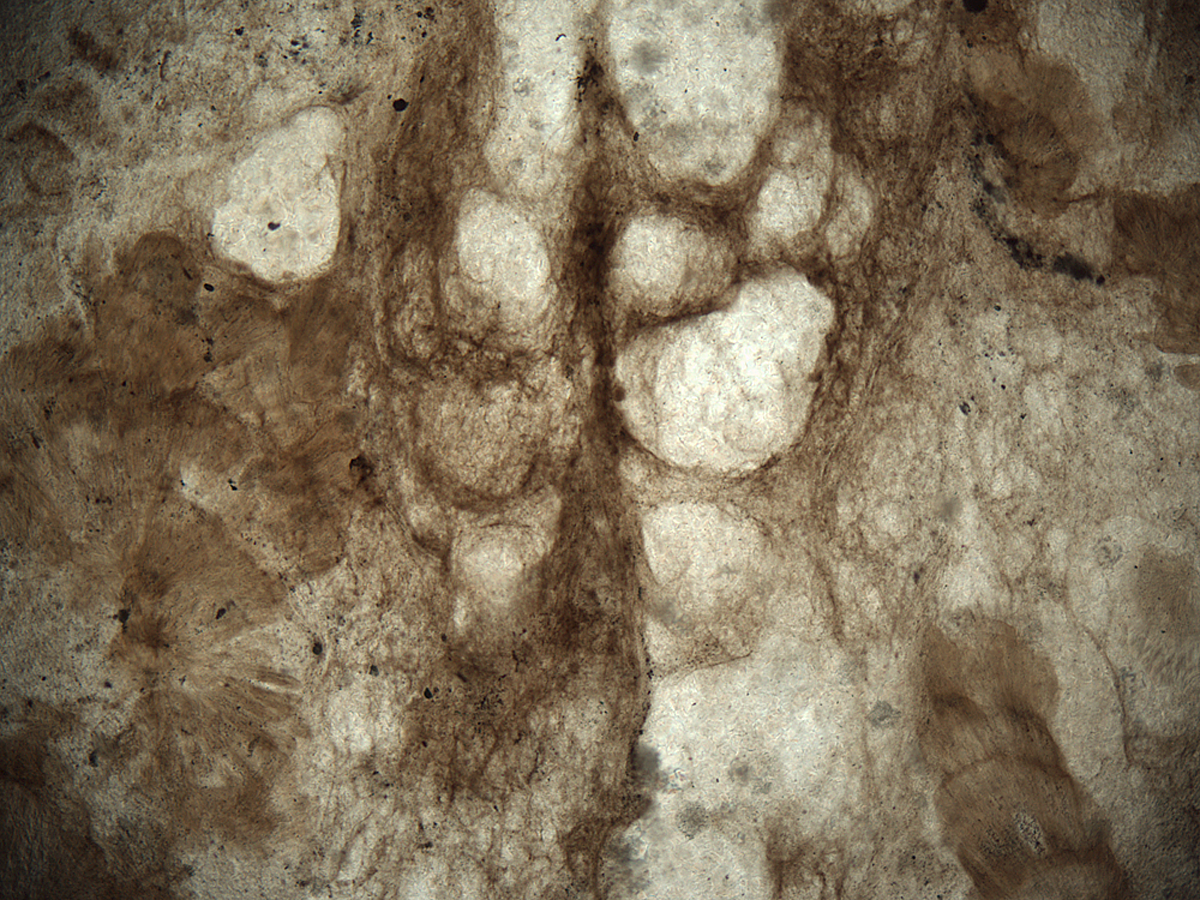
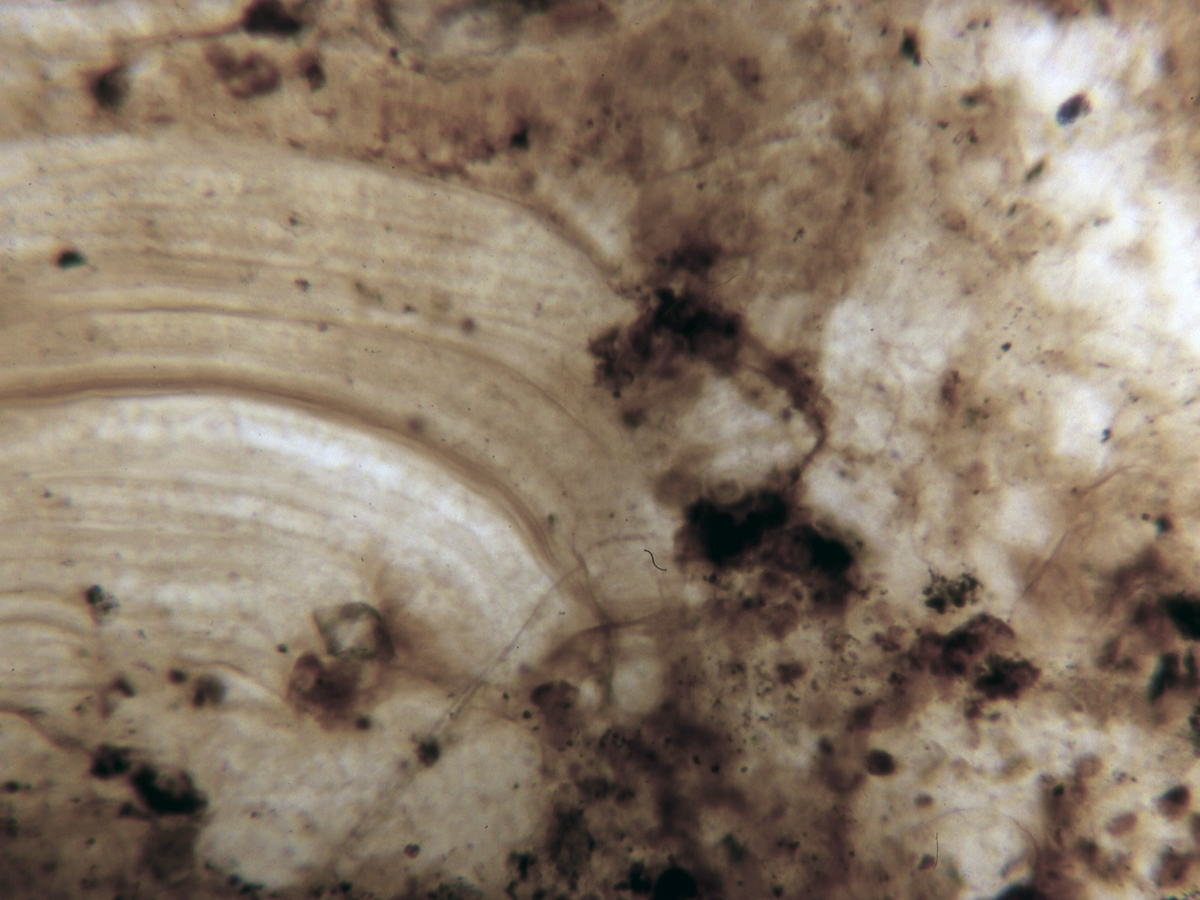
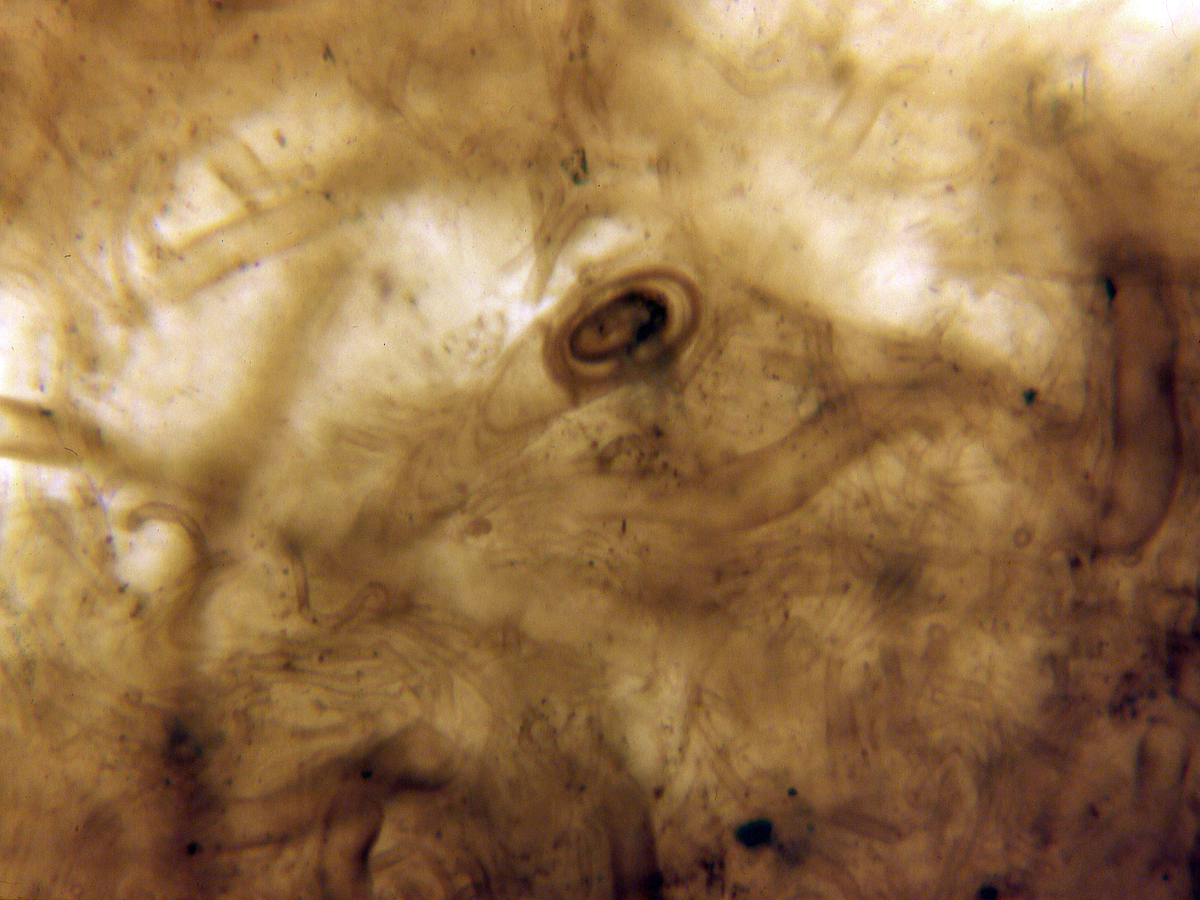
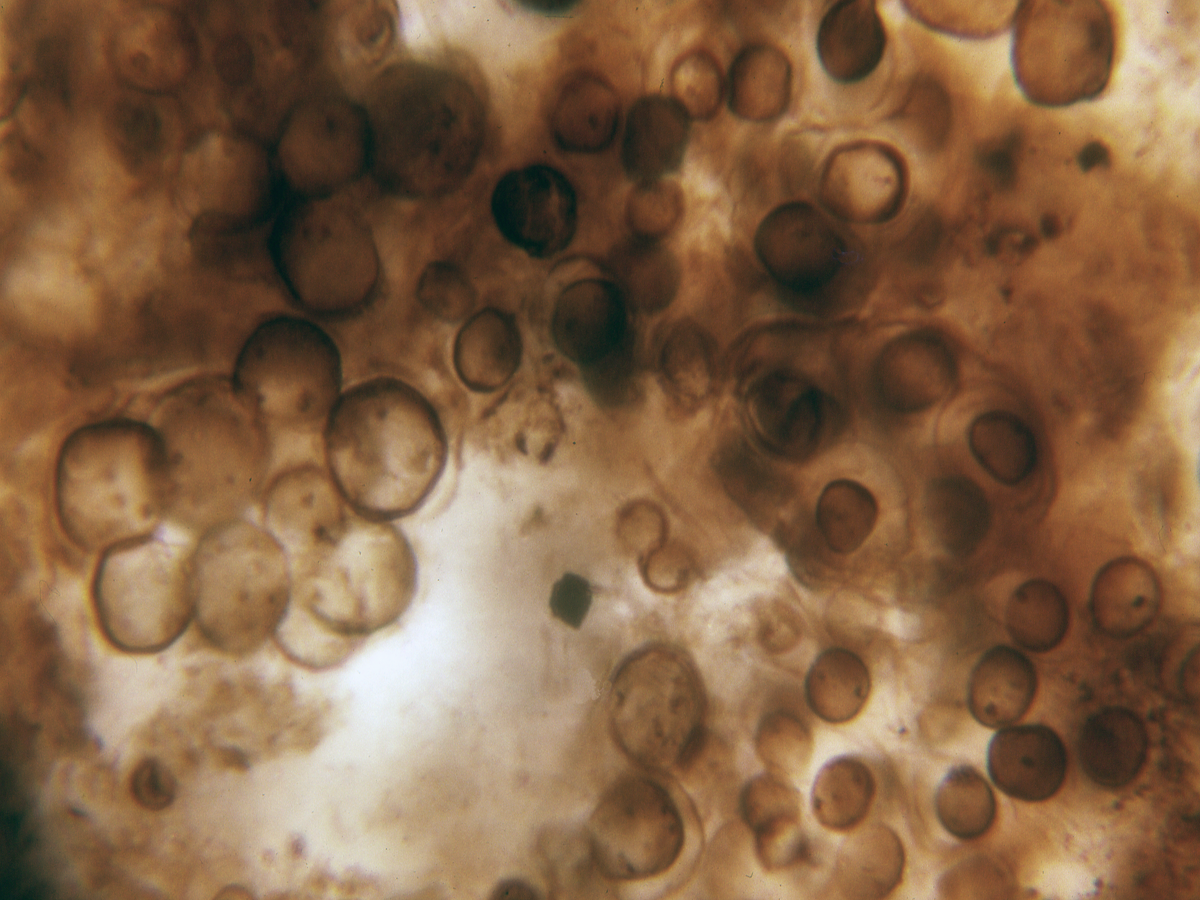
Above, L-R: Void-rich, tufted filament mat from the Mesoproterozoic Angmaat Formation; Poorly preserved colonial coccoid entophysalis encrusting cement botryoid; Tightly woven filamentous mat containing the stalked coccoid polybessurus; Coccoid-dominated mat of from the Mesoproterozoic Angmaat Formation.
Carbon isotope chemostratigraphy has become a principal tool for stratal correlation and the primary mechanism by which Proterozoic strata are placed in a chronostratigraphic framework. Chemostratigraphic correlation is particularly well established for the latter Neoproterozoic (<800 Ma), during which marine carbon isotopes record both elevated average values and high amplitude variation. Unfortunately, the resolution of our global chemostratigraphic record remains limited for much of the earlier Proterozoic. Research on Mesoproterozoic (1600-1000 Ma) successions has permitted definition of broad intervals of isotopic similarity, and has resulted in modeling efforts to link carbon isotopic variability to the PCO2 evolution of the Early Earth.
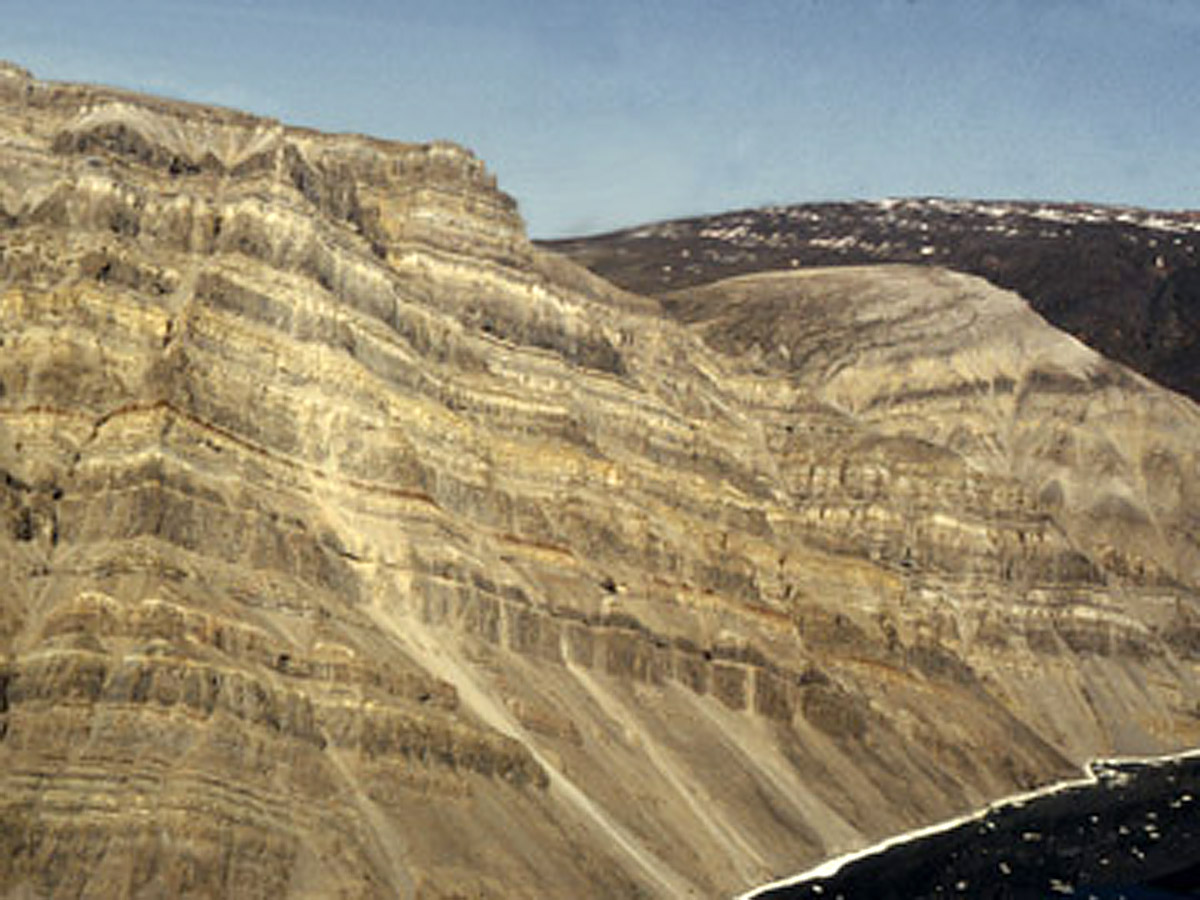
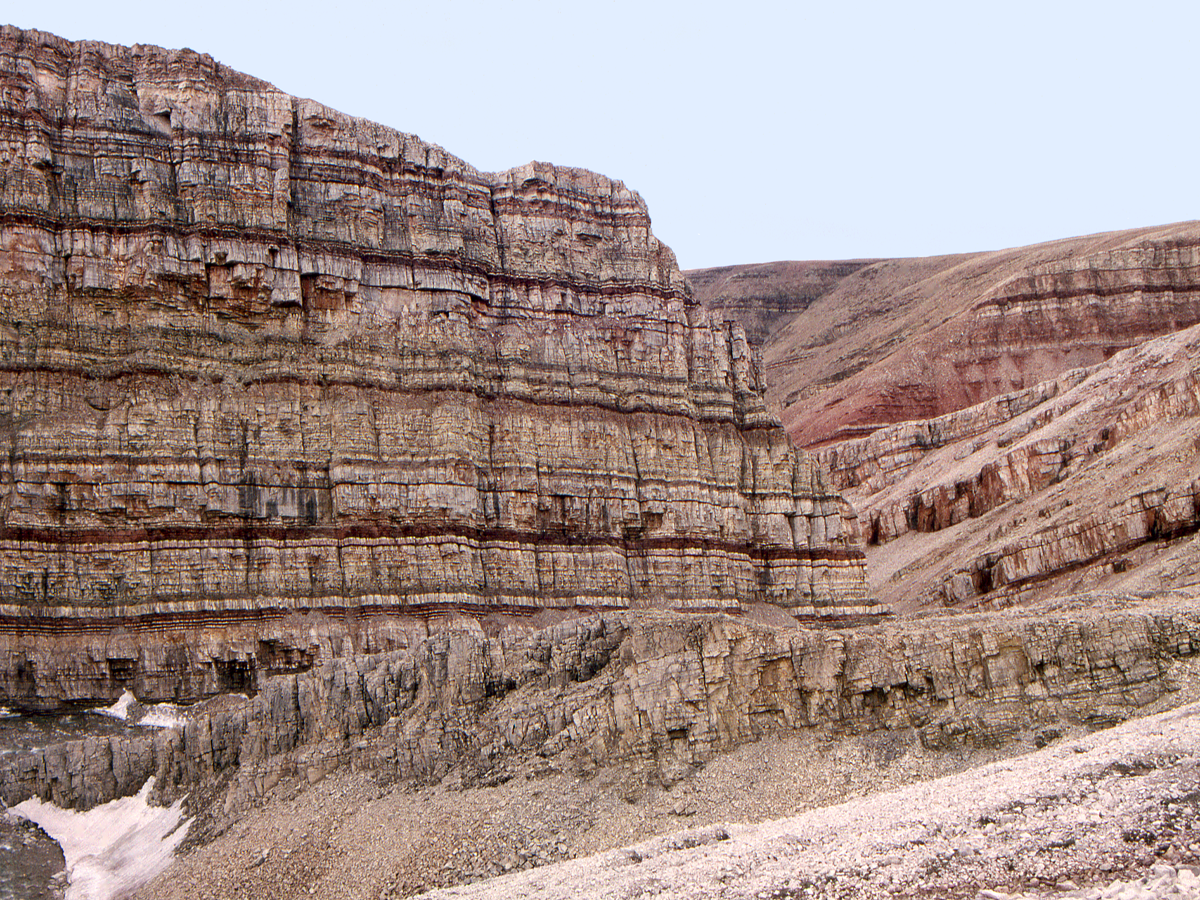
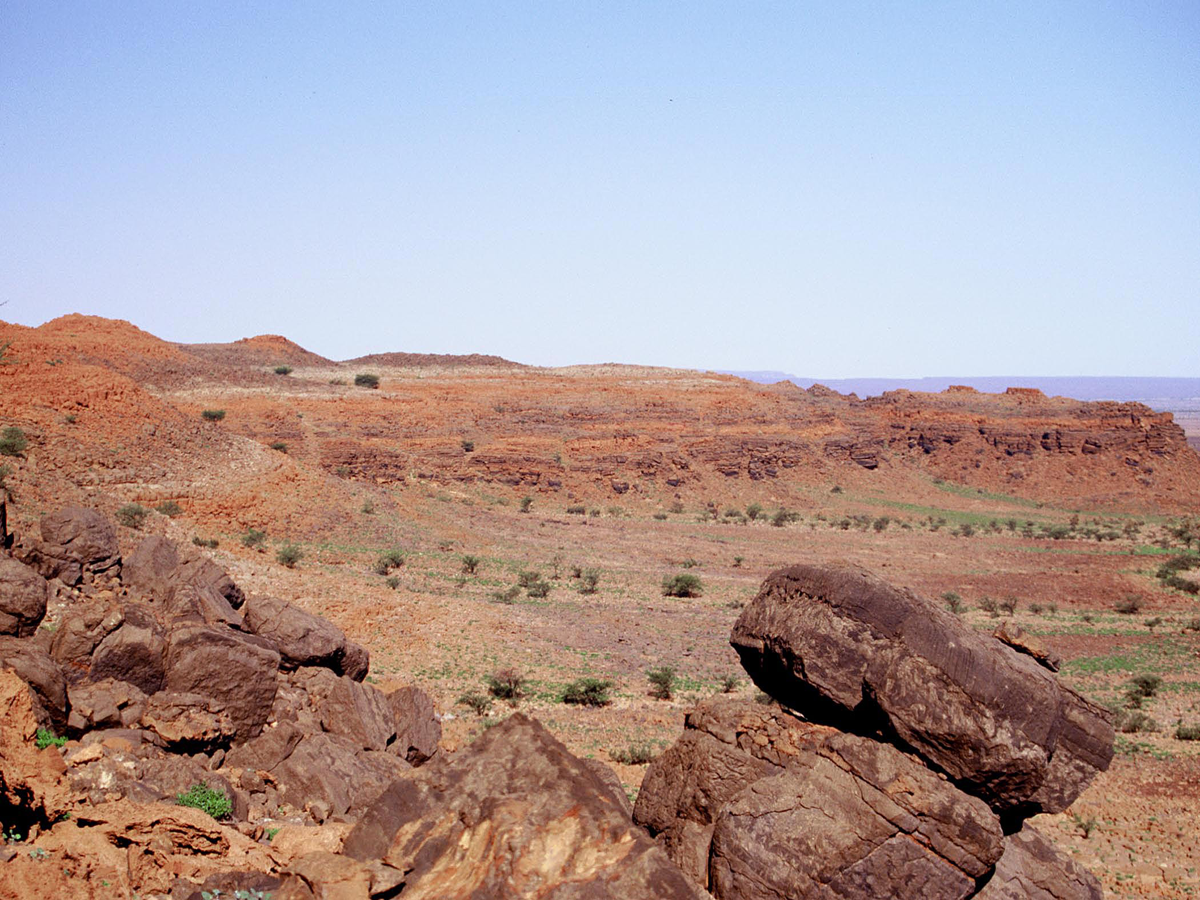
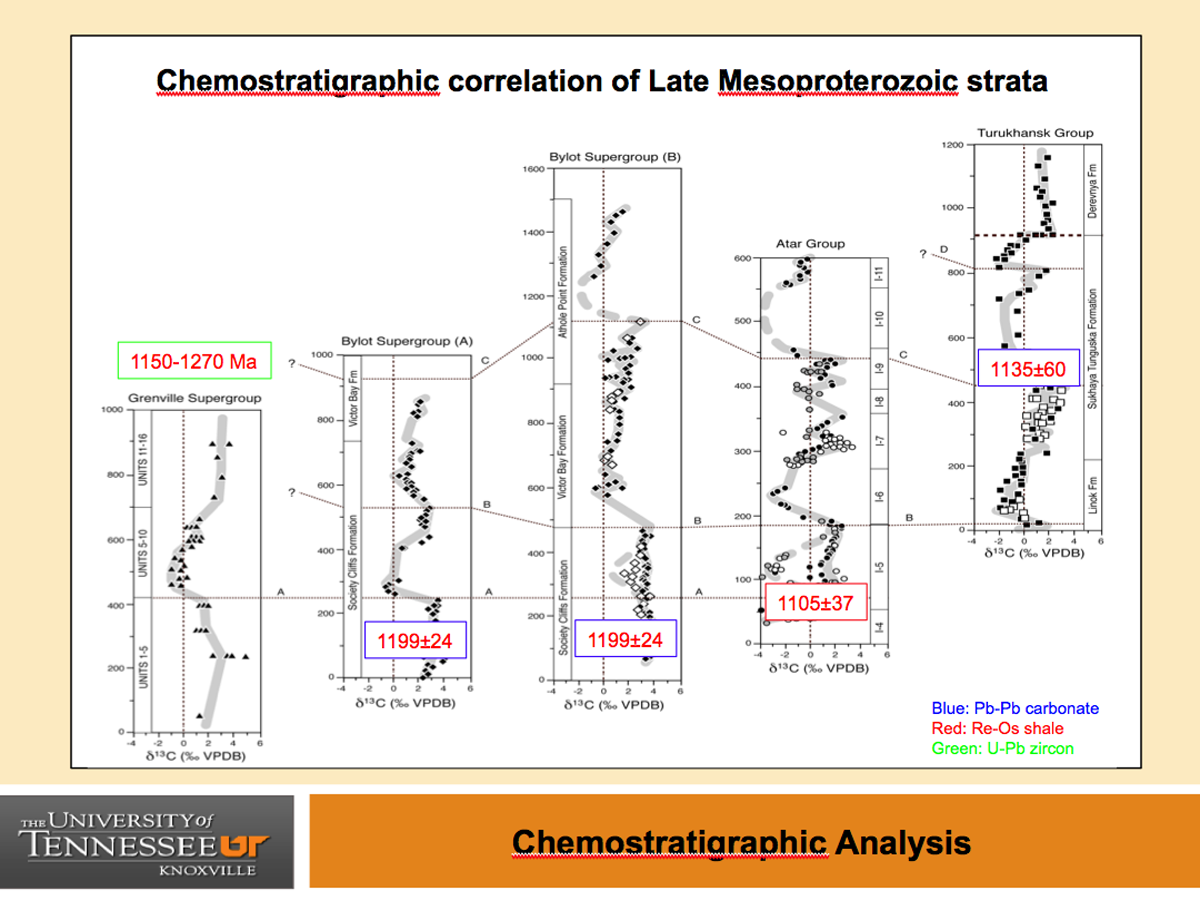
Above, L-R: Late Mesoproterozoic strata of the Bylot Supergroup, northern Baffin Island; Late Mesoproterozoic strata of the Bylot Supergroup, northern Baffin Island; Late Mesoproterozoic strata of the Atar Group, Mauritania; Chemostratigraphic correlation of late Mesoproterozoic successions.
A 4‰ positive shift in the carbon isotopic composition of the oceans is recorded globally in marine carbonate rocks at approximately 1.25 Ga, may be related to an increase in the oxygenation of the Earth’s biosphere. This ‘event’ marks a threshold in the mid-Mesoproterozoic that may be recorded in the geologic record by the diversification of microbial and algal life, as well as by the appearance of the oldest laterally extensive, bedded marine sulfate evaporites. Ongoing research has used the petrographic analysis of gypsum and calcitized sulfate phases, isotopic (particularly S and Sr isotopes) and trace element chemistry of gypsum and carbonate-associated sulfate (CAS), and geochemical modeling to explore the sulfate content of ancient oceans as a proxy for Earth surface oxygenation.
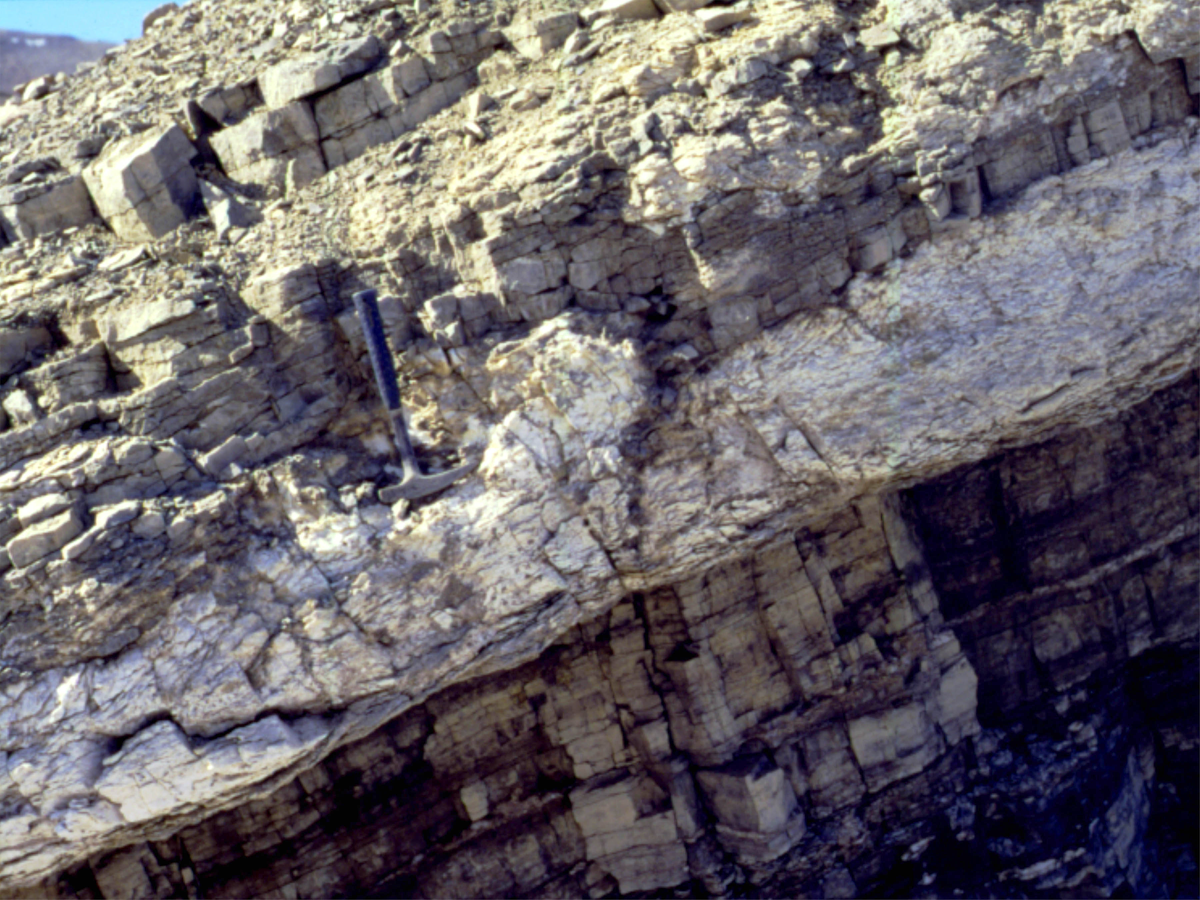
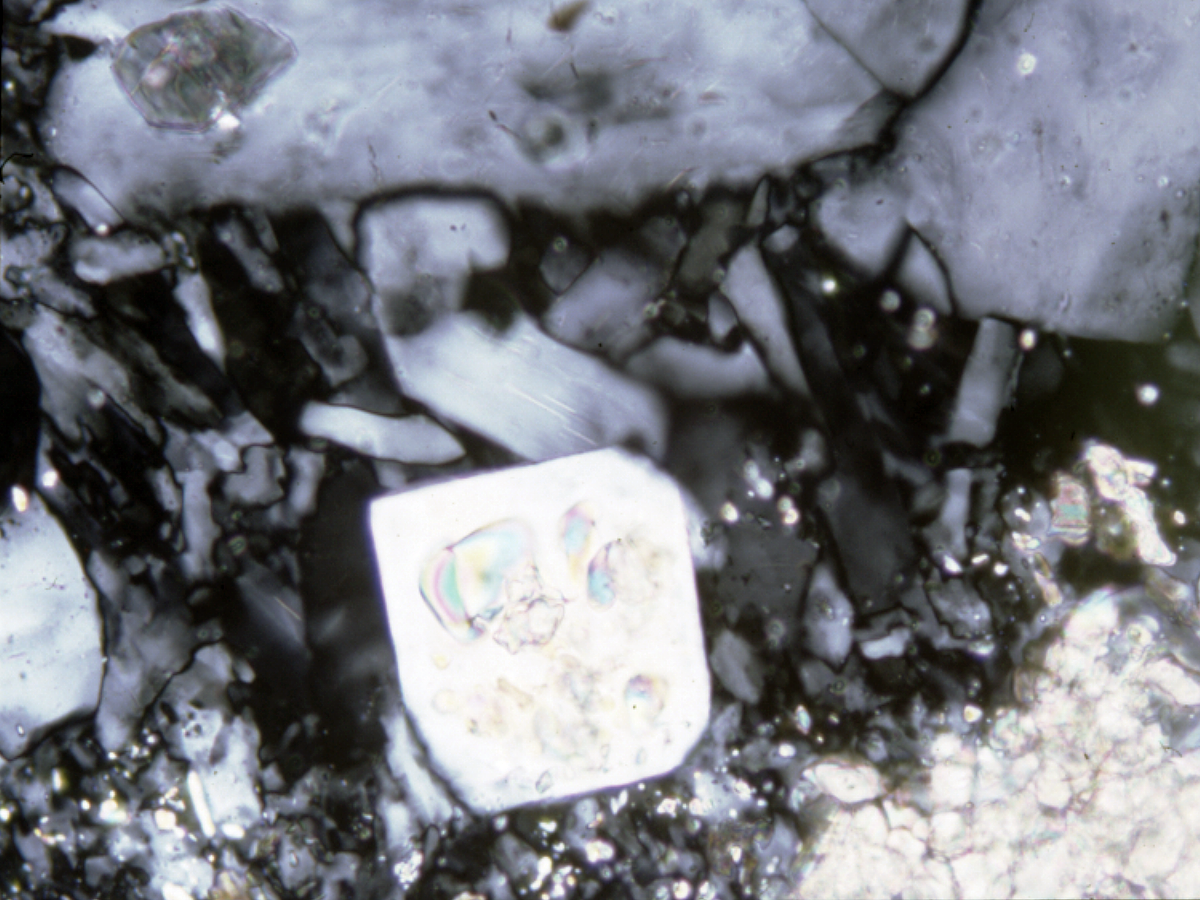
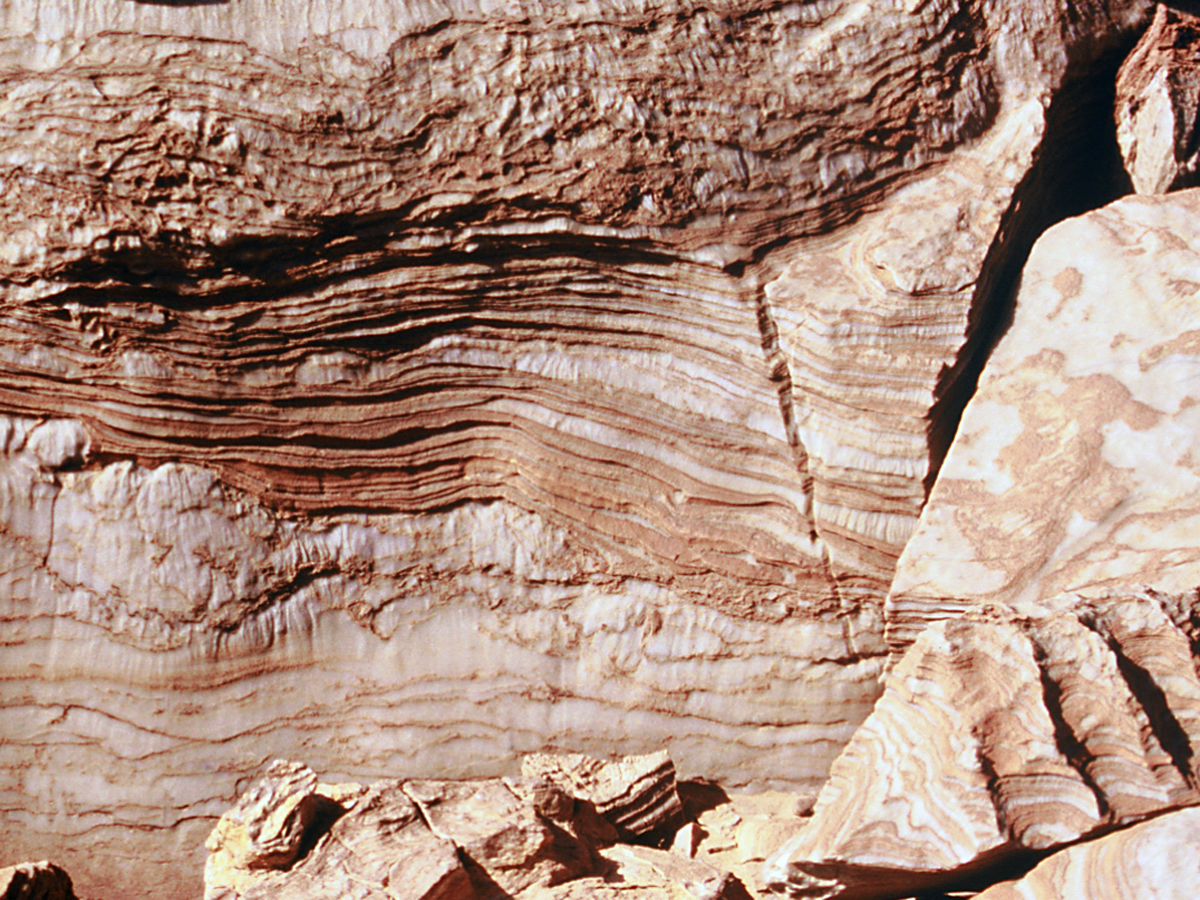
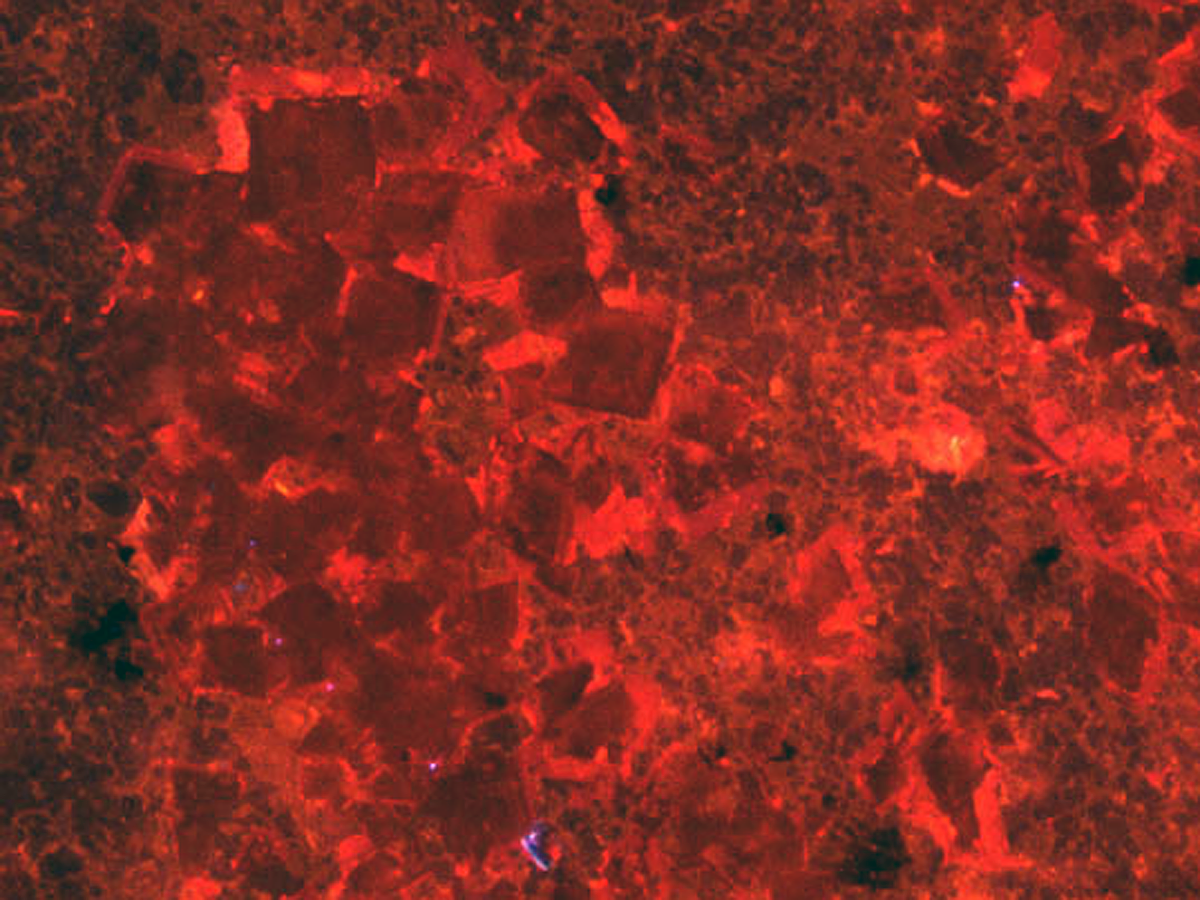
Above, L-R: Thick gypsum bed in the 1.2 Ga Angmaat Formation, northern Baffin Island; Petrographic image showing silicified halite within gypsum, indicating that gypsum was more highly saturated in the oceans than halite by the late Mesoproterozoic; Potential calcitized gypsum bed from the 1.1 Ga Atar Group, Mauritania; Cathodoluminescence image showing relict halite cubed within Atar Group evaporite facies.
Increased oxygenation of Earth surface environments in the Mesoproterozoic has been suggested to have greatly affected the distribution of bioessential, redox-sensitive elements (Anbar and Knoll, 2002). Investigation of sulfide minerals, patterns of iron speciation, and the relative abundance of redox-sensitive trace metals in epicratonic and pericratonic strata from the Mesoproterozoic of West Africa have provided critical insight into the redox structure of ancient epeiric seas. Data suggest that anoxic and persistently sulfidic environments existed in offshore environments immediately beneath wave base. Within intracratonic seas, where wave energy was likely dampened, anoxic, and variably sulfidic environments occurred at the sediment-water interface and within shallow pore waters (even when the overlying water column was oxic). Modeling efforts suggest that the redox structure of epeiric seas may have played a critical role in the distribution of bioessential nutrients.
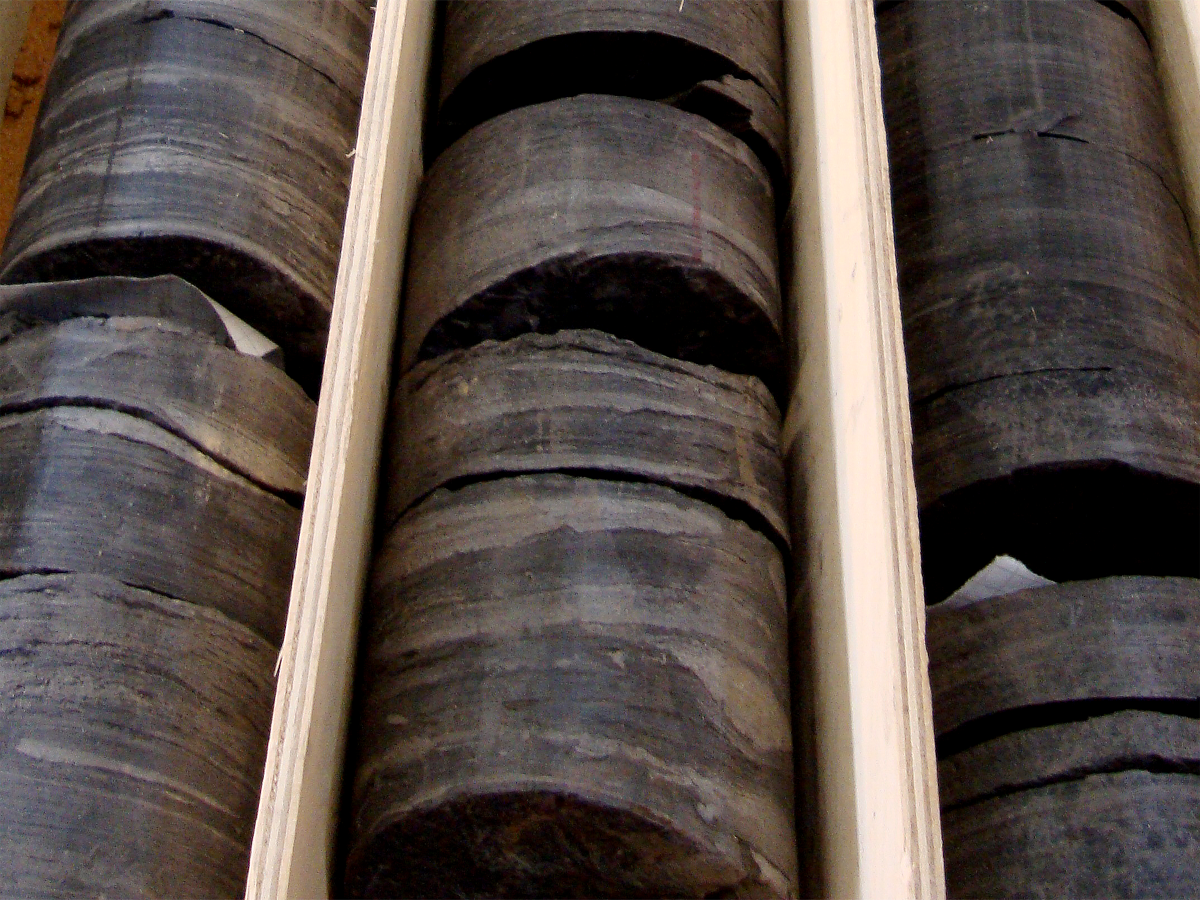
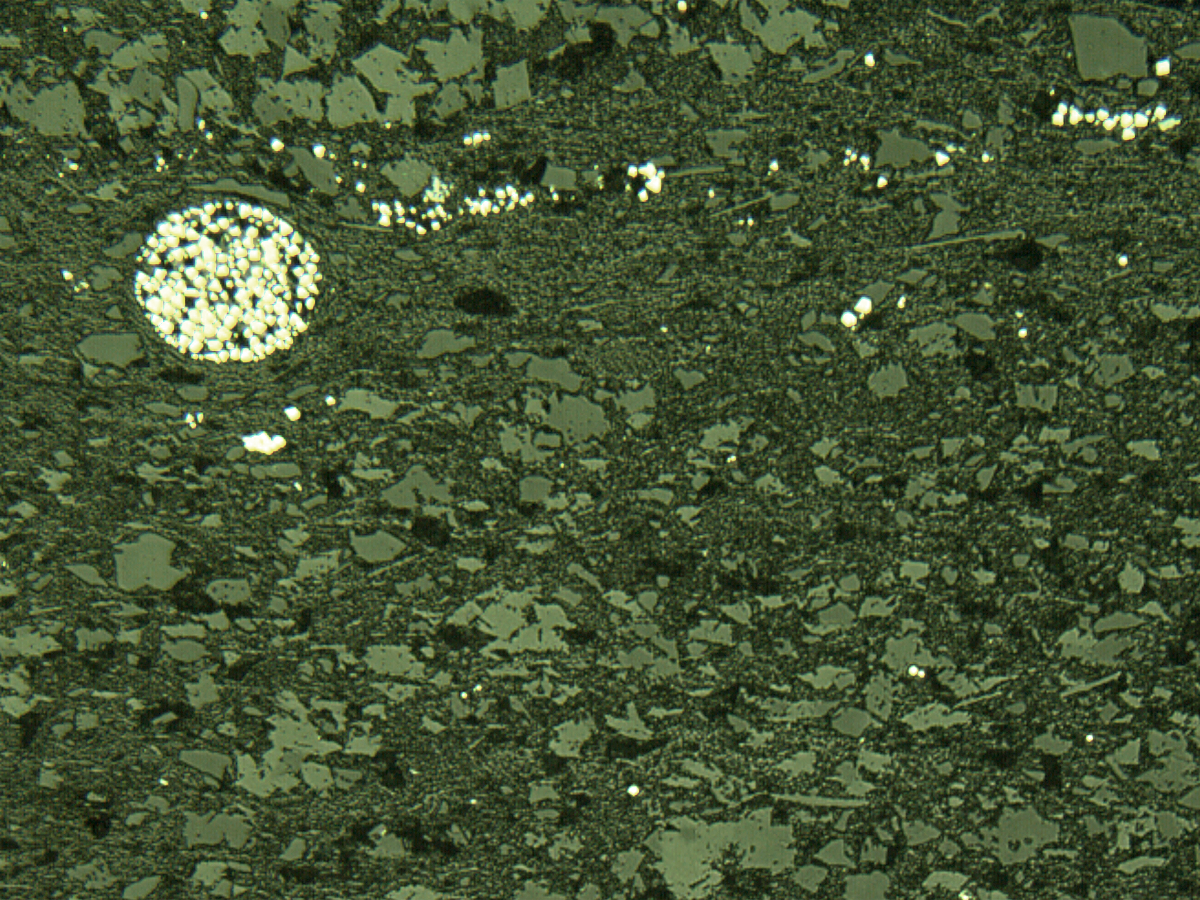
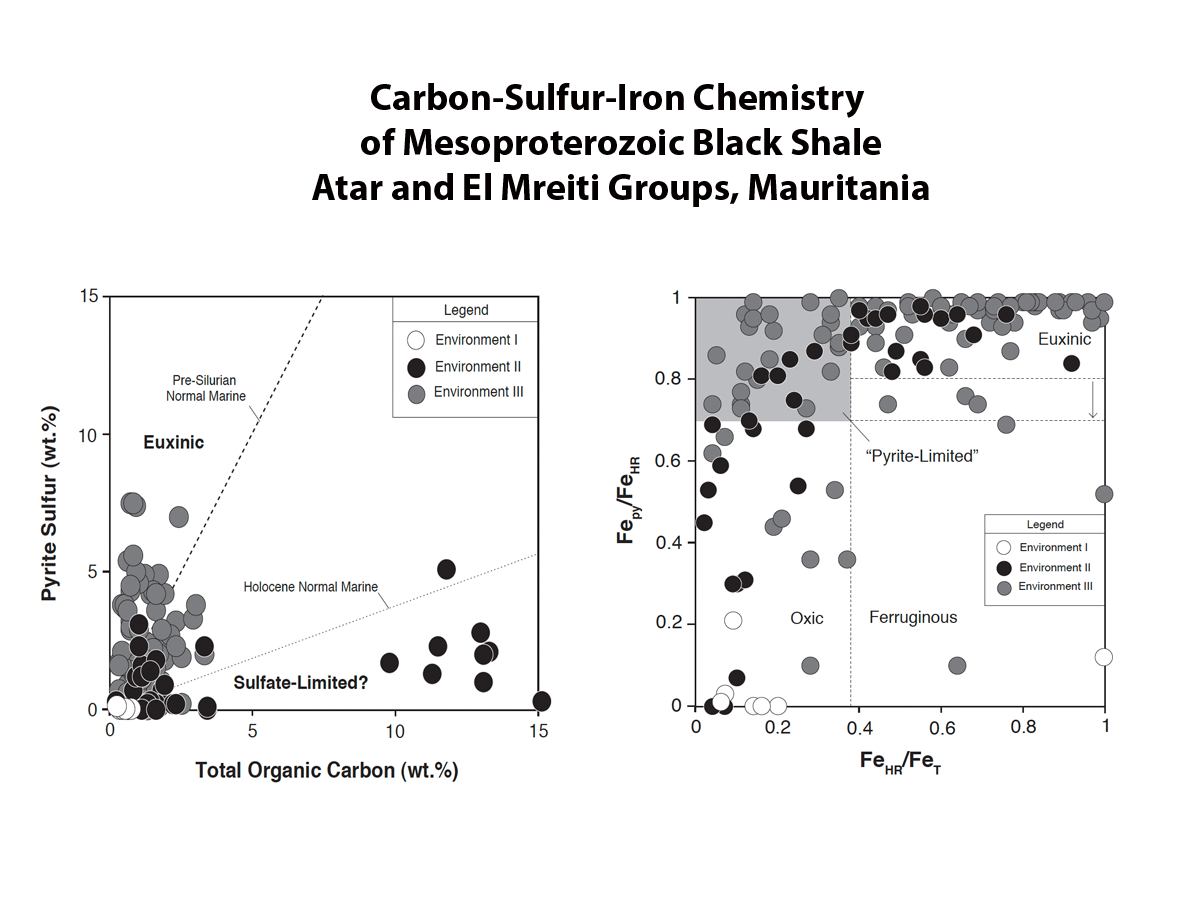
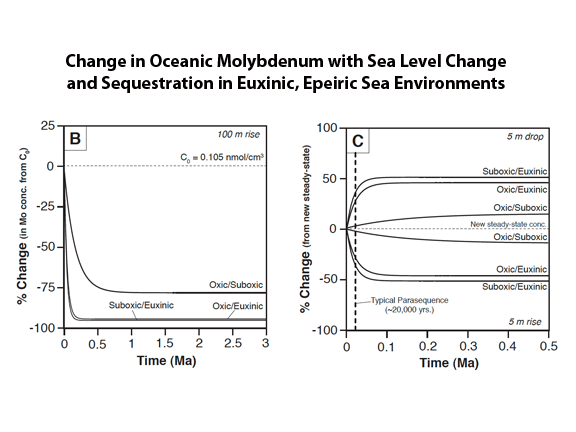
Above, L-R: Black shale of the late Mesoproterozoic Touirist Formation, West Africa; Disseminated and framboidal pyrite observed in reflected light; Carbon-Sulfur-Iron relationships in Mesoproterozoic shale, West Africa; Model of molybdenum drawdown with sequestration in epeiric settings.
Despite evidence for increased oxygenation of the Earth’s surface in the latest Proterozoic, oxygen-depleted environments appear to have characterized deeper-ocean environments well into the Ordovician. Sulfur isotopes from early and middle Ordovician strata from the Argentine Precordillera and Western Newfoundland suggest that deep-oceans remained persistently sulfidic until at least the late middle Ordovician. S-isotopic composition of coeval pyrite and carbonate-associated sulfate suggests that this deep-ocean reservoir acted as a distinct reactive sulfur reservoir, the behavior of which is best modeled via a 2-box model system (cf. Rothman et al., 2003).
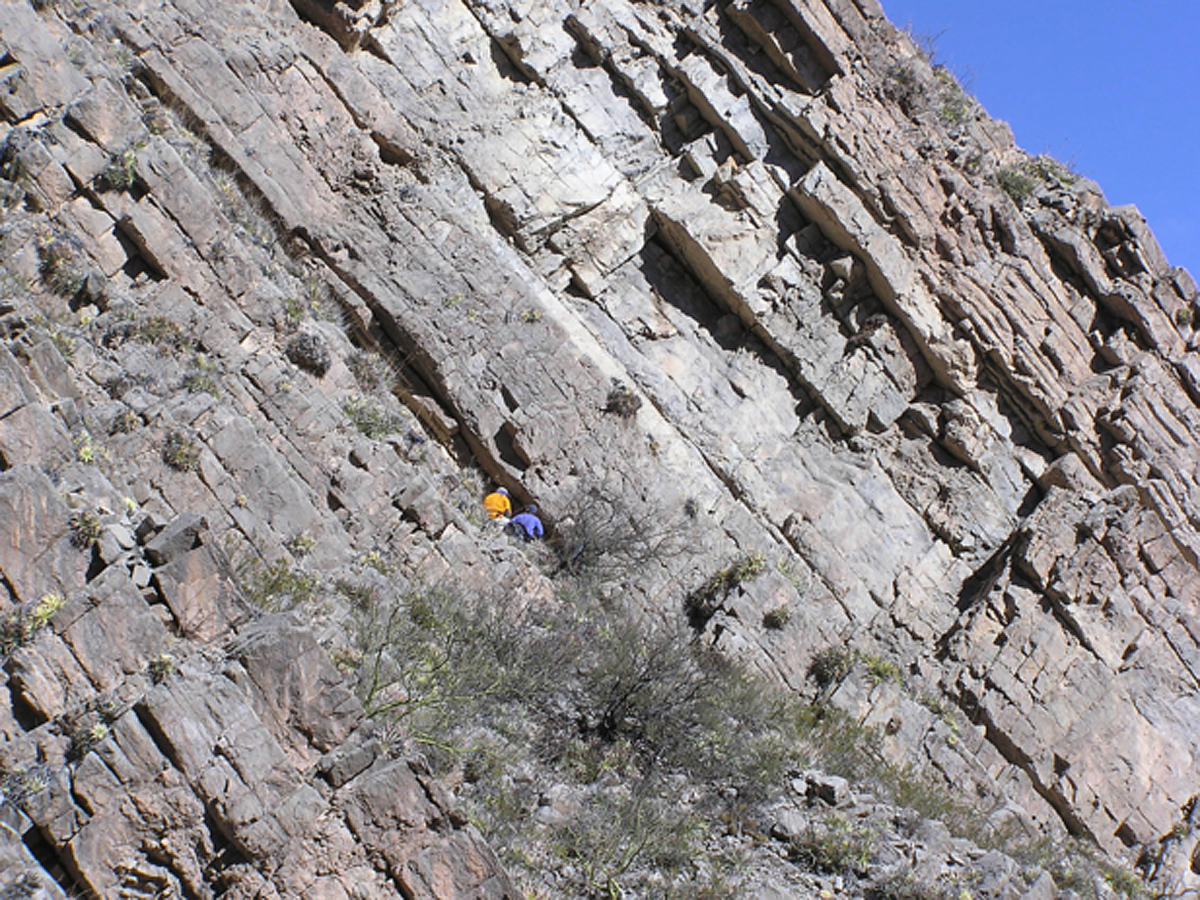
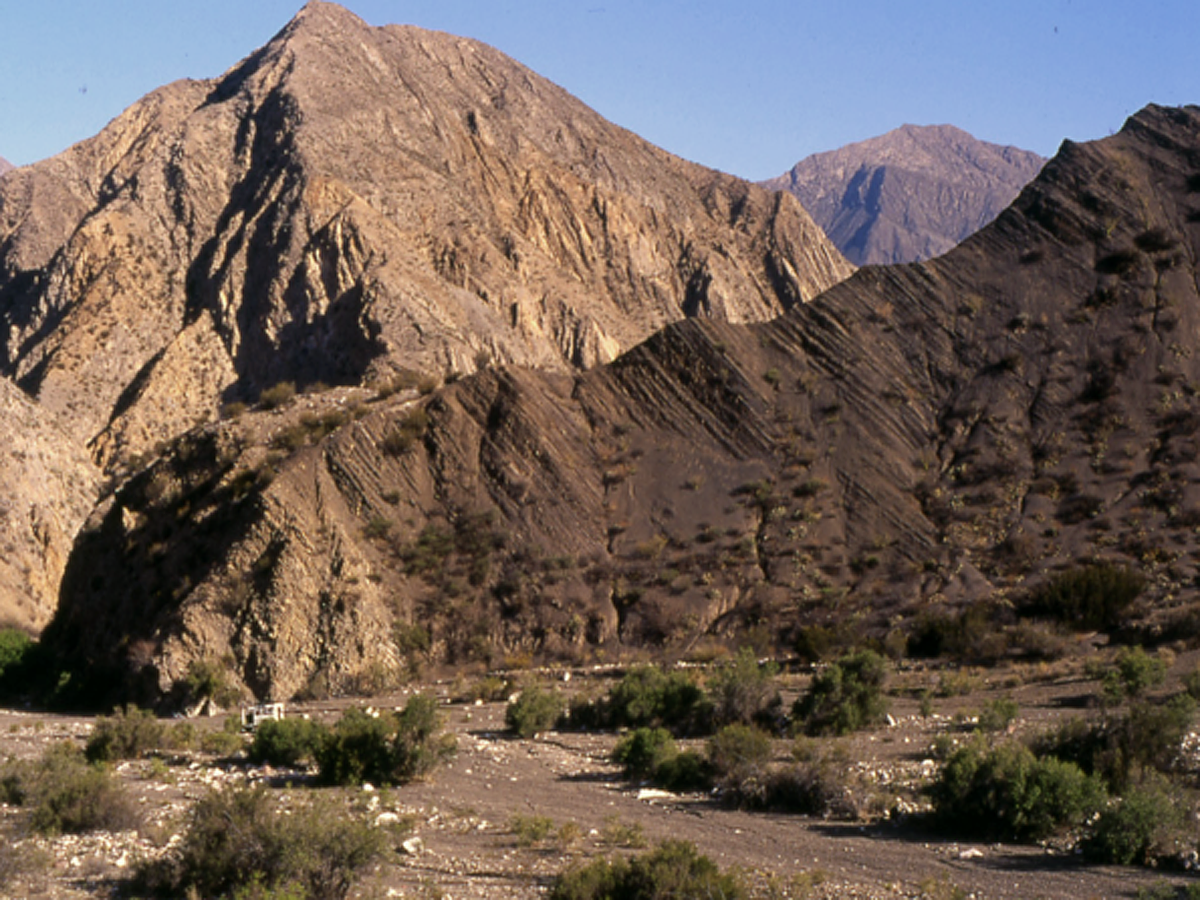
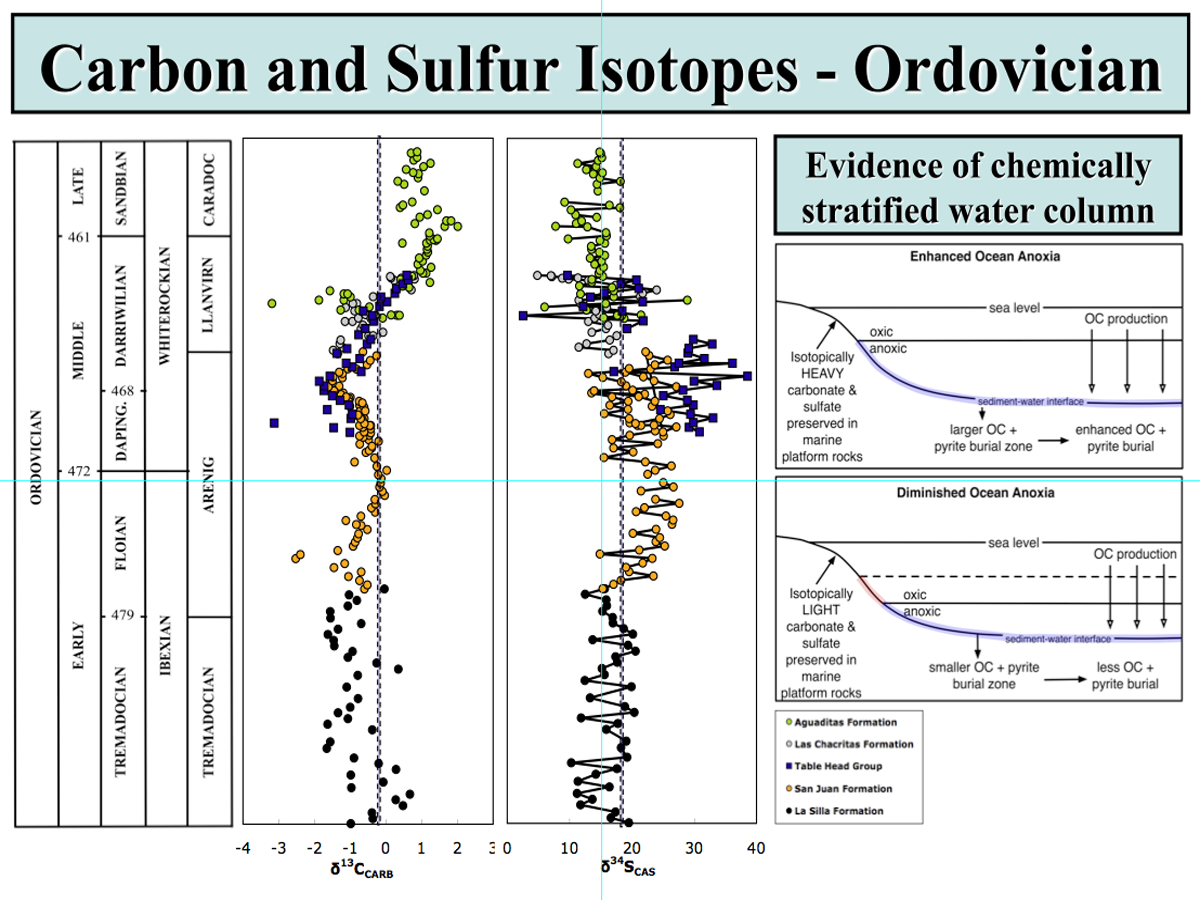
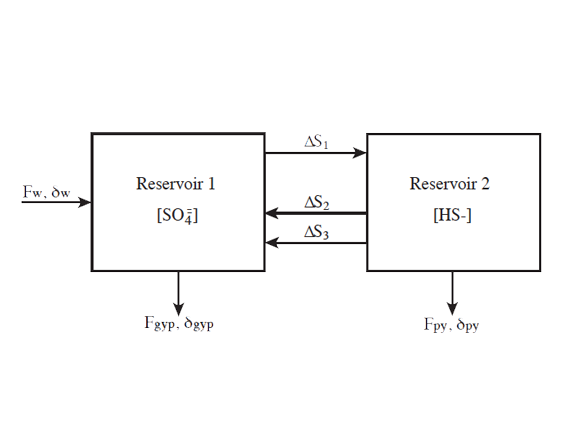
Above, L-R: Storm-derived carbonate deposits of the San Juan Formation, Argentina; Ordovician black shale deposits of the Gualcamayo Formation, Argentina; Carbon and Sulfur isotopes (CAS) from Argentina, indicating the presence of a persistent reactive pool of hydrogen sulfide in deep-waters; Two-box model to explore changes in sulfur isotope composition of the Ordovician oceans.

EEPS has been voted one of the best programs to earn your degree by Best Accredited Colleges and U.S. News & World Report.
Earth and Planetary Sciences was voted Best College in 2023 by Best Accredited Colleges.
