Jill Mikucki
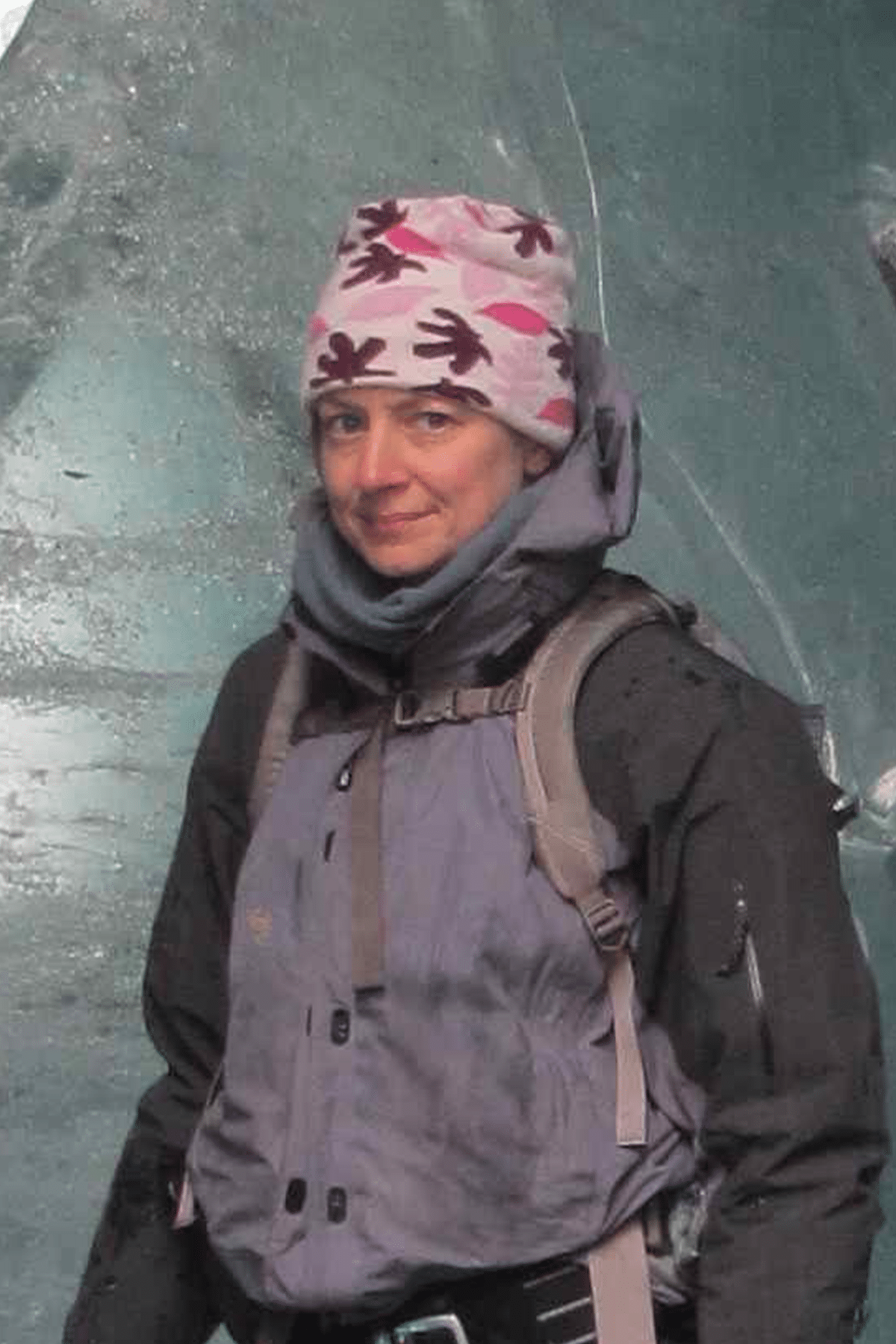
Jill Mikucki
The Mikucki lab studies the interactions between microbes and their environment and how the impact of microbial metabolism is detectable on an ecosystem scale. Subglacial environments serve as our “model” ecosystem because their isolation and relatively simple food-webs allow for the study of microbially-mediated processes, which can be difficult to identify in more complex ecosystems. Ice covers approximately 10% of the continental landmass on the planet making subglacial environments an important, yet poorly understood component of the Earth system. Subglacial aquatic environments serve as analogs for past global glaciation events, inform exobiological exploration, yield novel microorganisms for diversity studies and biotechnological advancement and will help us understand life’s ability to persist in cold and dark isolation for extended periods of time. Direct sampling of subglacial environments is tricky and microbial inhabitants grow slowly making the detection of in situ processes challenging. Thus, our work is highly collaborative and we employ a diversity of tools- from remote sensing to isotope geochemistry and culture and molecular microbiology. Clean access is a priority in these pristine systems and an important aspect of our work includes methods to monitor and insure clean sampling. Research in the lab is guided by the following themes: diversity and structure of microbial communities linkages between microbial energetics and contemporary and ancient geochemistry, and selection of microbial species and physiologies in extreme environments. Currently funded projects in the laboratory include the exploration of Antarctic subglacial aquatic systems beneath the Whillans Ice Stream in West Antarctica and the mysterious Blood Falls subglacial ecosystem in the McMurdo Dry Valleys.
Contact
Phone:
Email: jmikucki@utk.edu
Research Interests
I study how microbes shape ecosystems by investigating isolated subglacial environments—using advanced, collaborative tools to uncover microbial diversity, metabolism, and survival in extreme, ice-covered systems on Earth and beyond.